

Turn on cookies to sign in
Signing in saves your progress to your Curie account. We can only do that with cookies on — turn them on to continue.
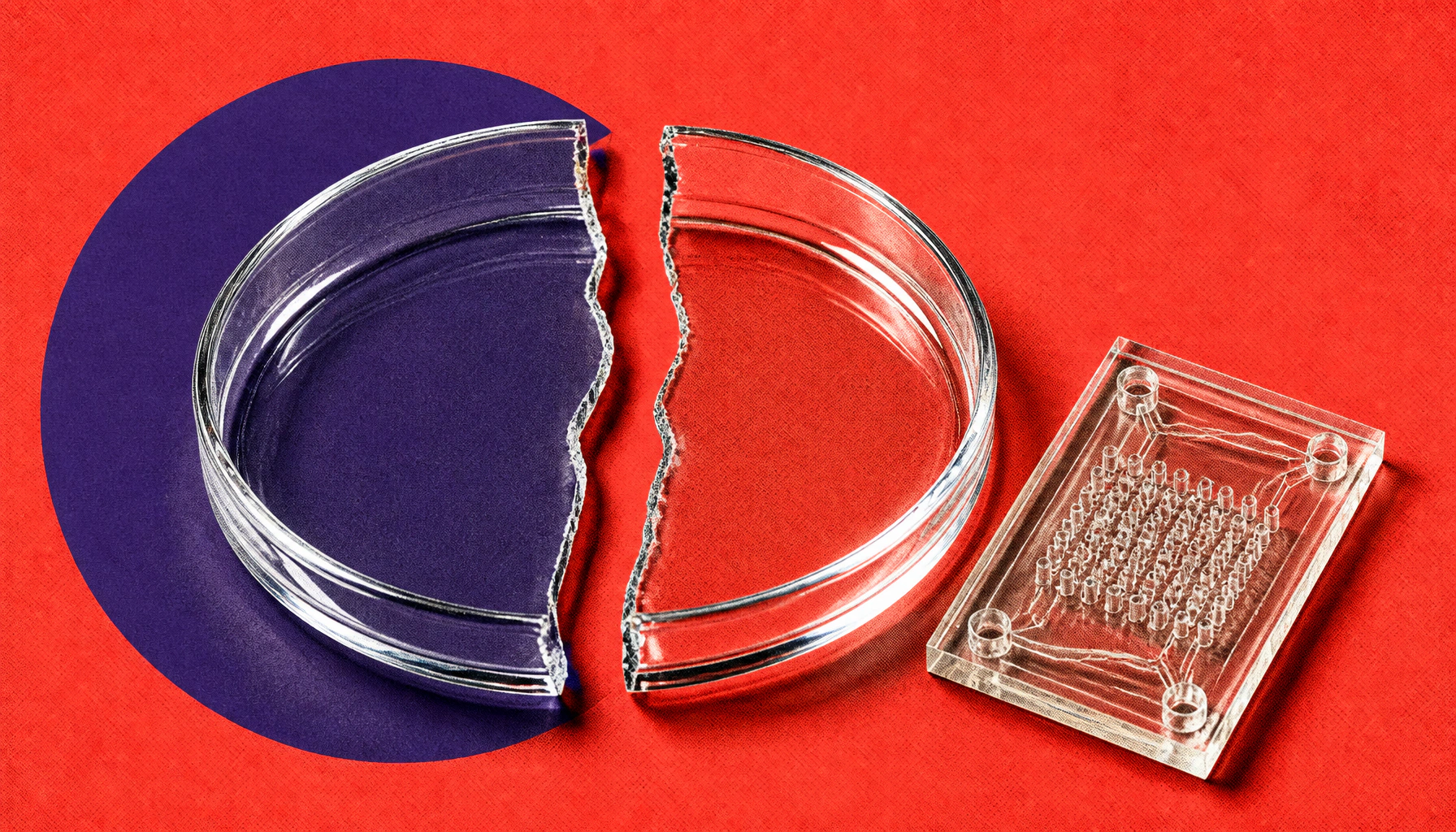
A chaotic tumor neighborhood could be what pushes cancer cells to break free and invade. Researchers at ISTA used microfluidic chips and computer simulations to show that a disordered physical environment around tumors primes cancer cell collectives to fall apart—sending individual cells into surrounding tissue. The findings, published in Science Advances, open a new lens on what drives metastasis beyond genetics alone.
Cancer's ability to metastasize has long been blamed on genetic mutations, but a new study suggests the neighborhood around a tumor may be just as culpable. Researchers at the Institute of Science and Technology Austria (ISTA), working with the Francis Crick Institute, found that a physically chaotic microenvironment can prime cancer cell collectives to break apart—releasing individual cells that can then invade nearby tissue and spread to organs like the lungs or liver.
The team used microfluidic chips—tiny lab devices with pillar "obstacle courses"—to expose tumor cells to both orderly and disordered geometries. Cells in the chaotic setup detached from their collective far more readily. Computer simulations confirmed the pattern: repeated exposure to disorder roughens the boundary of the cell collective, creating finger-like protrusions that eventually cause cells to peel off.
Key Takeaways:
Why it matters: This research adds a crucial, non-genetic dimension to our understanding of metastasis. If physical disorder in the tumor microenvironment is a driver of invasion, it could eventually become a therapeutic target—or a marker of tumor aggressiveness in clinical settings.