Curie Brief
Turn on cookies to sign in
Signing in saves your progress to your Curie account. We can only do that with cookies on — turn them on to continue.
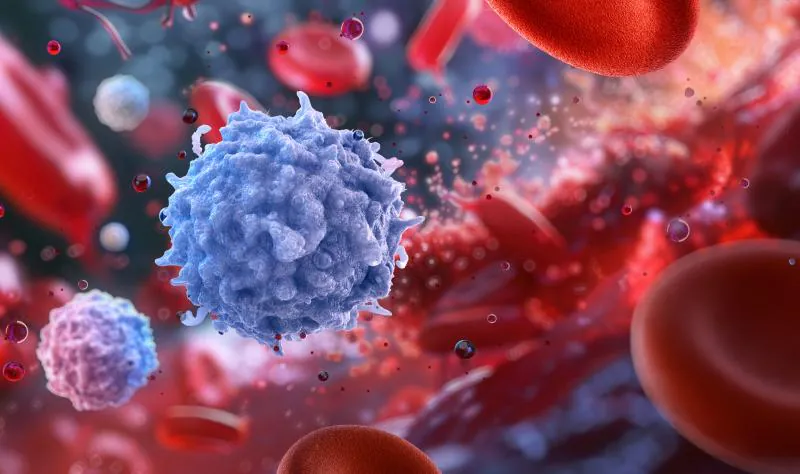
A new study reveals that COVID-19 can activate the same immune pathway linked to lupus, explaining why some people develop autoimmune complications after infection. Researchers identified a specific subset of immune cells — DN2 B cells — that are overrepresented in COVID patients who produce high levels of autoantibodies. The findings open the door to targeted therapies that could prevent harmful autoimmune responses post-infection.
A new study published in Immunity has uncovered why some COVID-19 patients develop autoimmune complications after infection. Researchers from the Institute for Systems Biology (ISB) analyzed data from 209 COVID-infected participants and found that a specific subset of immune cells — called double-negative 2 (DN2) B cells — are significantly overrepresented in people who produce high levels of autoantibodies (proteins that mistakenly attack the body's own tissues).
DN2 cells have previously been linked to autoimmune diseases like lupus, and the new findings suggest that SARS-CoV-2 infection can activate the same immune program seen in established autoimmune disorders. This helps explain why certain individuals experience persistent symptoms or new-onset autoimmune disease following COVID-19.
Key Takeaways:
Why it matters: Understanding the cellular and molecular mechanisms behind COVID-triggered autoimmunity brings researchers closer to developing interventions that could protect vulnerable patients — especially women and older adults — from long-term autoimmune complications after infection.