Loading Curie Briefs...
Getting the latest healthcare news for you
Getting the latest healthcare news for you


Long COVID affects roughly 17 million U.S. adults, yet it remains widely underdiagnosed and underfunded. Experts warn that a combination of misdiagnosis, lack of treatment options, and political rollbacks has turned it into a "hidden" epidemic. The call is clear: a unified public health response is urgently needed.
Six years after COVID-19 first emerged, long COVID continues to quietly devastate millions of lives — yet public attention, political will, and clinical recognition have all but evaporated. As of March 2024, roughly 17 million U.S. adults (about 7%) reported symptoms consistent with long COVID, a chronic condition marked by fatigue, brain fog, post-exertional malaise, and more. The disability burden is comparable to diseases like Alzheimer's and asthma, with estimated societal costs exceeding $3 trillion over five years.
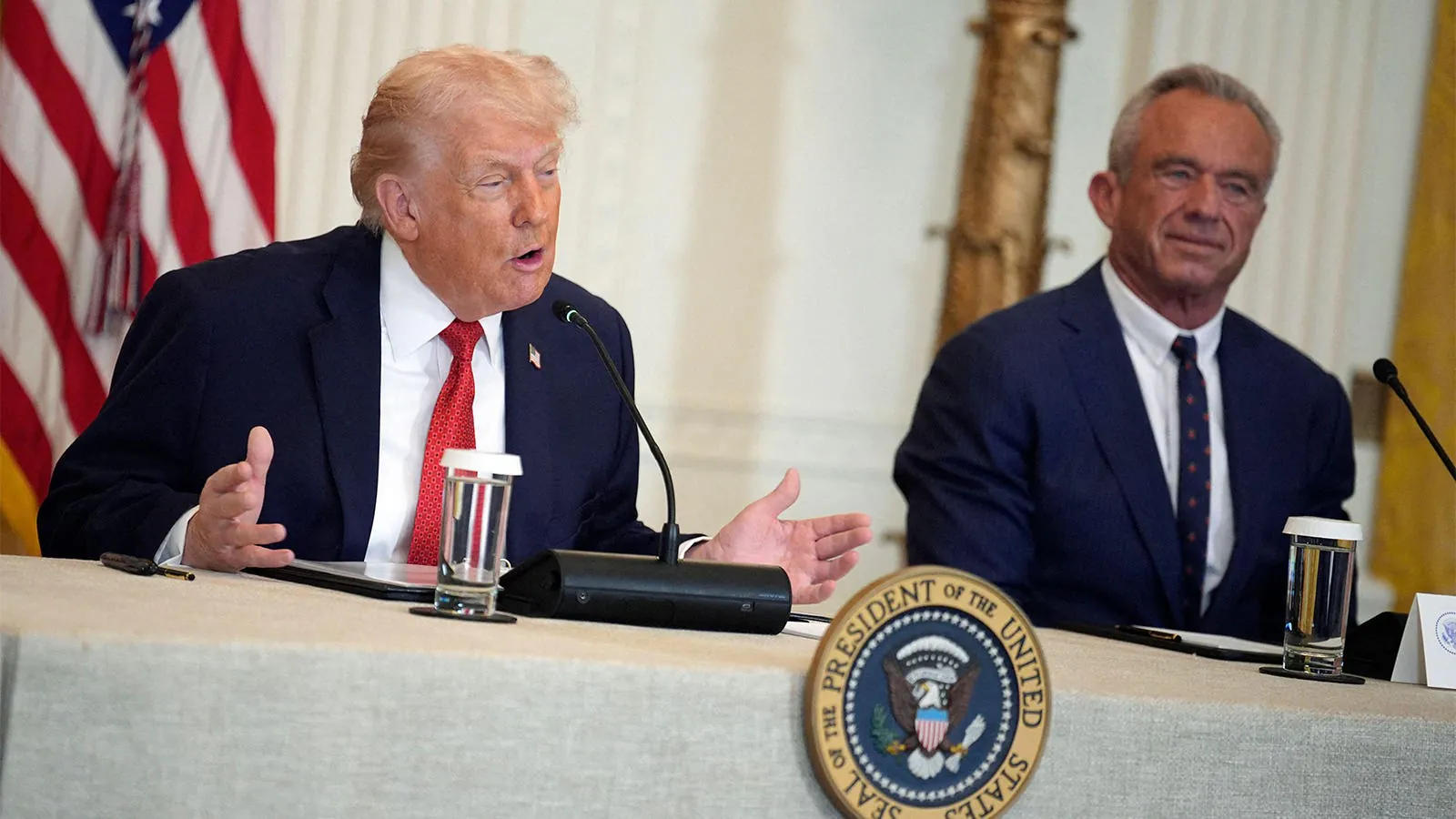
So why aren't we talking about it? Experts point to a troubling disconnect: research suggests up to 1 in 6 COVID patients may develop long COVID, yet clinicians are diagnosing far fewer. Reasons include symptom overlap with other conditions (depression, thyroid issues, burnout), no definitive lab test, inconsistent diagnostic coding, and patients simply not seeking care. Meanwhile, the Trump administration dismantled the federal Office of Long COVID Research and Practice in early 2025, further weakening the response.
Key Takeaways:
Why it matters: Long COVID is a slow-moving public health crisis hiding in plain sight. Without standardized diagnosis, better clinician awareness, and renewed federal investment, millions of Americans risk being left without answers — or care.