Turn on cookies to sign in
Signing in saves your progress to your Curie account. We can only do that with cookies on — turn them on to continue.
Breaking a sweat at the gym and breaking your back at work aren't the same for your brain. A massive study of 4.2 million people found recreational exercise cuts dementia risk by 24%, while physically demanding jobs raise it by 20%. The key difference? It's not the movement — it's the context around it.
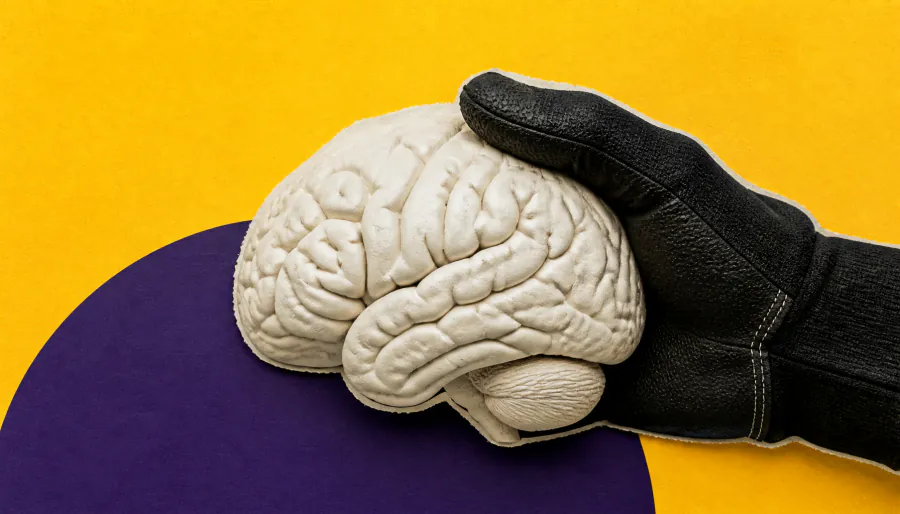
We've long been told to "move more" for brain health — but a landmark study published in The Lancet Public Health says the type of movement matters enormously. Researchers from the University of Southern California analyzed data from 74 studies covering 4.2 million people across 30 countries and uncovered a striking paradox: recreational exercise lowers dementia risk, while physically demanding work raises it.
The culprit likely isn't the physical movement itself. Manual labor often comes with chronic stress, limited autonomy, unsafe working conditions, noise and air pollution, and little recovery time — all of which are independently linked to dementia. Meanwhile, leisure exercise offers social connection, stress relief, and self-paced activity.
Why it matters: The findings challenge the blanket "move more" public health message. For the millions in physically demanding jobs — who are often already disadvantaged — simply being active at work isn't protective. Policymakers and clinicians may need to rethink how they promote brain health, focusing not just on activity levels but on the conditions under which people move.