Turn on cookies to sign in
Signing in saves your progress to your Curie account. We can only do that with cookies on — turn them on to continue.
A modified protein could keep cancer drugs on target longer. Researchers at Osaka Metropolitan University tweaked a natural protein to grip the chemotherapy agent SN-38 far more tightly, reducing premature drug release and boosting the drug's solubility. The advance could improve treatment for breast and colorectal cancers — and potentially pave the way for smarter delivery of other hard-to-dissolve drugs.
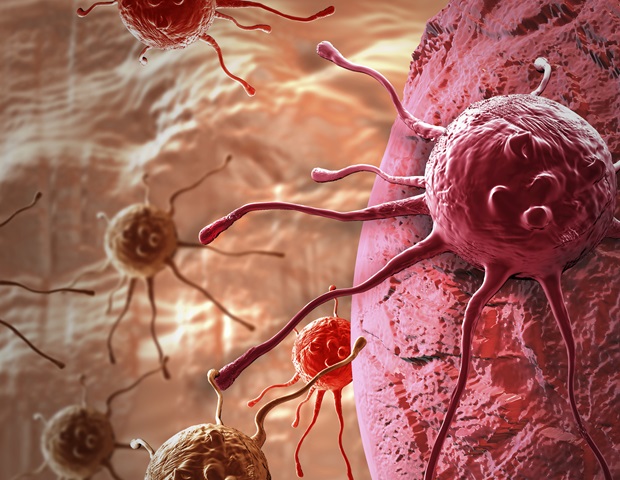
Researchers at Osaka Metropolitan University have re-engineered a naturally occurring protein to grip a chemotherapy drug far more tightly — a tweak that could keep the drug from leaking out before it reaches a tumor. The team, led by Professor Takashi Inui, modified lipocalin-type prostaglandin D synthase (L-PGDS) to improve its ability to carry SN-38, a potent agent used against breast and colorectal cancers that works by disrupting DNA repair in rapidly dividing cancer cells.
Using computer simulations, the researchers pinpointed two amino acids inside the protein's cavity and swapped them out to dramatically strengthen the bond with SN-38. The result: the drug stays locked in longer, giving it more time to accumulate at the tumor site — and potentially delivering a more effective dose to cancer cells.
By the Numbers:
Why it matters: Poor solubility and early drug release are two of the biggest hurdles in cancer drug delivery. This protein-engineering approach could make existing chemotherapy agents more effective and open the door to tailor-made carriers for a wide range of poorly water-soluble drugs.