Turn on cookies to sign in
Signing in saves your progress to your Curie account. We can only do that with cookies on — turn them on to continue.
A kidney protein called TMEM174 may be a critical guardian against vascular aging. Scientists at the University of Colorado found that animals lacking this protein had stiffer blood vessels and shorter lifespans — especially on high-phosphate diets. The discovery could open new treatment avenues for people with chronic kidney disease (CKD), who are especially vulnerable to excess phosphate buildup.
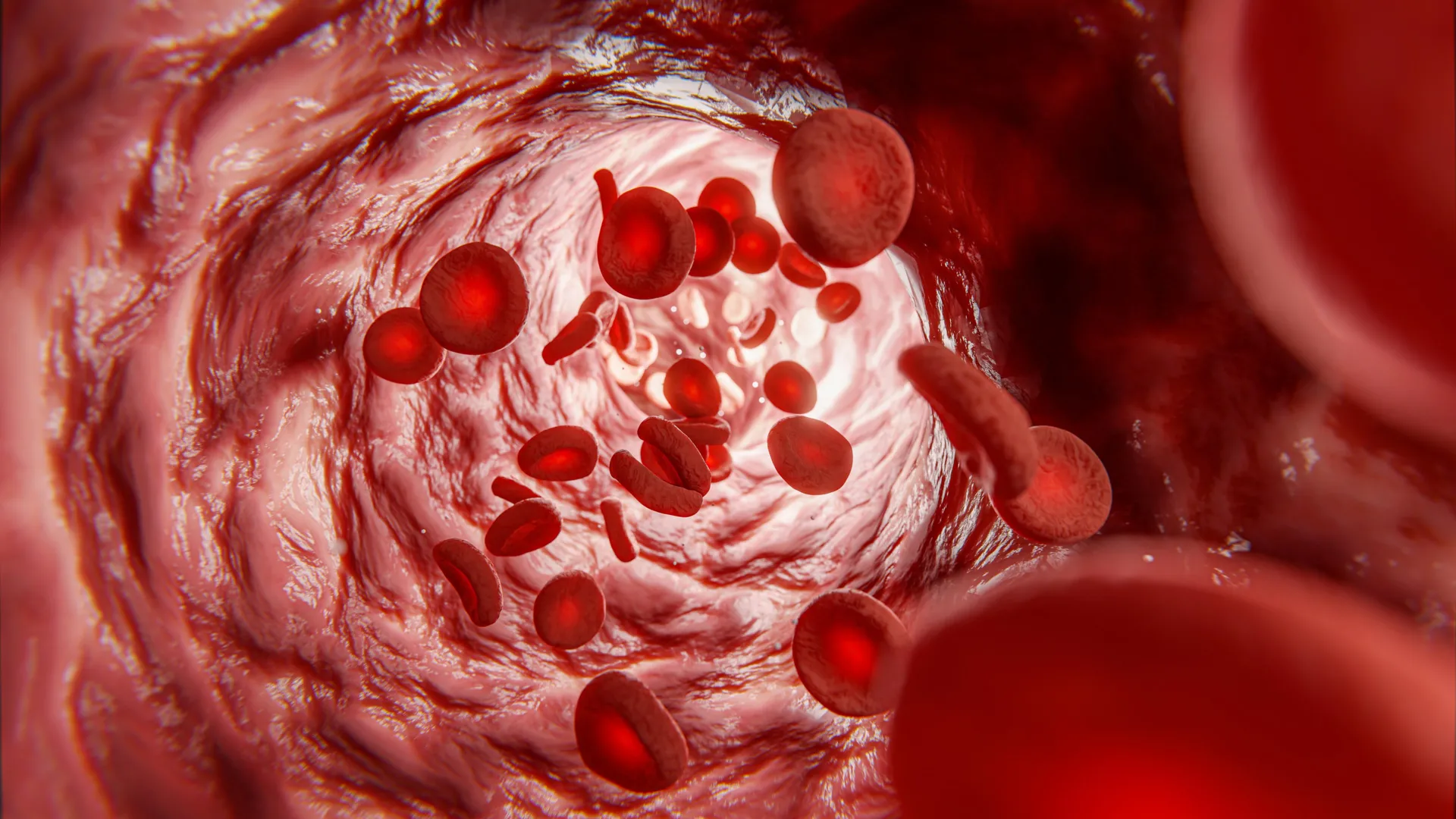
Researchers at the University of Colorado Anschutz School of Medicine have identified a kidney protein — TMEM174 — that plays a pivotal role in keeping blood phosphate levels in check. When phosphate accumulates in the bloodstream, it can cause blood vessel walls to harden (calcify), accelerating vascular aging and raising the risk of cardiovascular disease and early death. TMEM174 acts as a natural brake on this process by limiting how much phosphate the kidneys return to the bloodstream.
In animal models, a deficiency of TMEM174 led to faster vascular calcification and significantly shortened lifespans, particularly when animals consumed high-phosphate diets. Reducing dietary phosphate helped ease some of the damage. The findings, published in Scientific Reports (October 2026), suggest that people with CKD — who already struggle to filter phosphate — may be especially at risk if they also have low TMEM174 levels.
Key Takeaways:
Why it matters: Vascular calcification is a major driver of cardiovascular disease and premature death, especially in CKD patients. Identifying TMEM174 as a regulator of phosphate balance opens a promising new therapeutic target — and reinforces the underappreciated role of dietary phosphate in long-term health.