Turn on cookies to sign in
Signing in saves your progress to your Curie account. We can only do that with cookies on — turn them on to continue.
Scientists thought activating brown fat was the key to burning more calories — turns out, it's more complicated. Researchers at the University of Basel found that a drug called fenoterol significantly increased energy expenditure in humans, but without visibly activating brown fat. The discovery raises new questions about how the body actually burns calories and what it means for future obesity treatments.
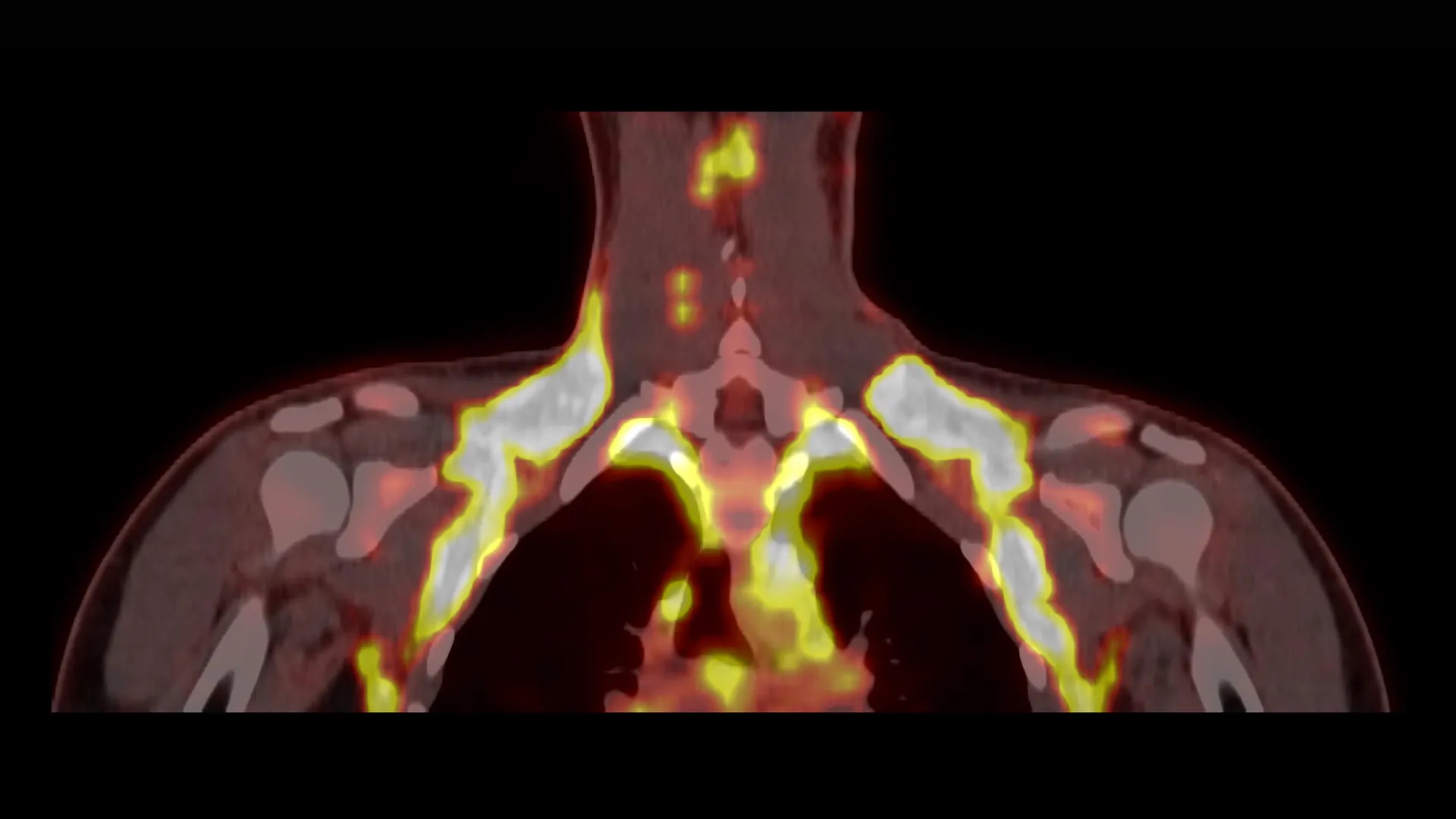
Brown fat has long been a focus of obesity research — it burns calories to generate heat, and people with more of it tend to be leaner and metabolically healthier. Scientists have been working to find drugs that can "switch it on." But a new study from the University of Basel has revealed an unexpected complication.
Researchers tested fenoterol, a drug that activates beta2 adrenergic receptors, against mild cold exposure in 11 healthy volunteers. Both interventions boosted calorie burning — but only cold exposure showed clear brown fat activation on PET/CT scans. Fenoterol increased energy expenditure without any detectable brown fat activity, leaving researchers uncertain about where exactly those extra calories were being burned. Skeletal muscle and white fat are among the suspected sites.
Key Takeaways:
Why it matters: As obesity treatments continue to evolve, understanding the body's calorie-burning mechanisms is increasingly important. This study highlights that the path to effective metabolic therapies is more complex than previously assumed, and that more research into brown fat regulation is needed before it can be reliably harnessed as a treatment target.