Turn on cookies to sign in
Signing in saves your progress to your Curie account. We can only do that with cookies on — turn them on to continue.
A new review highlights how combining genomics, transcriptomics, proteomics, metabolomics, and microbiomics is transforming our understanding of metabolic fatty liver disease (MAFLD). By integrating multiple data layers — and mapping them spatially within liver tissue — researchers are pinpointing the molecular drivers of disease progression. These advances are paving the way for better biomarkers and precision therapies for a condition affecting 1 in 4 people globally.
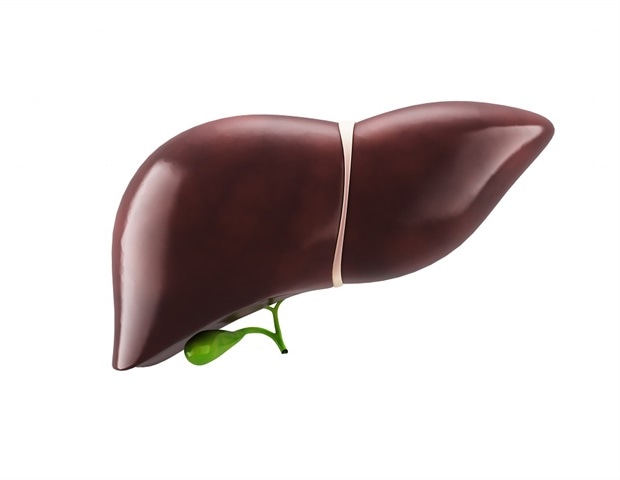
Metabolic dysfunction-associated fatty liver disease (MAFLD) is the world's most common chronic liver condition, affecting roughly 25% of the global population. It can silently progress from simple fat accumulation to severe liver inflammation, scarring, and even liver cancer — yet effective therapies remain scarce. A new review argues that the key to cracking this disease lies in combining multiple molecular "lenses" at once.
Rather than studying one biological layer in isolation, researchers are now integrating genomics, transcriptomics, proteomics, metabolomics, and gut microbiome data — both across disease stages and mapped spatially within liver tissue. This multi-omics approach is revealing how specific cell types (like liver stellate cells and macrophages), genetic variants, and metabolic signals interact to drive disease progression, and is identifying promising noninvasive biomarker panels for early detection.
Key Takeaways:
Why it matters: With no approved cure for MAFLD and millions at risk of progressing to cirrhosis or liver cancer, multi-omics integration offers a roadmap for precision diagnostics and targeted therapies — potentially transforming how this silent epidemic is managed.