Turn on cookies to sign in
Signing in saves your progress to your Curie account. We can only do that with cookies on — turn them on to continue.
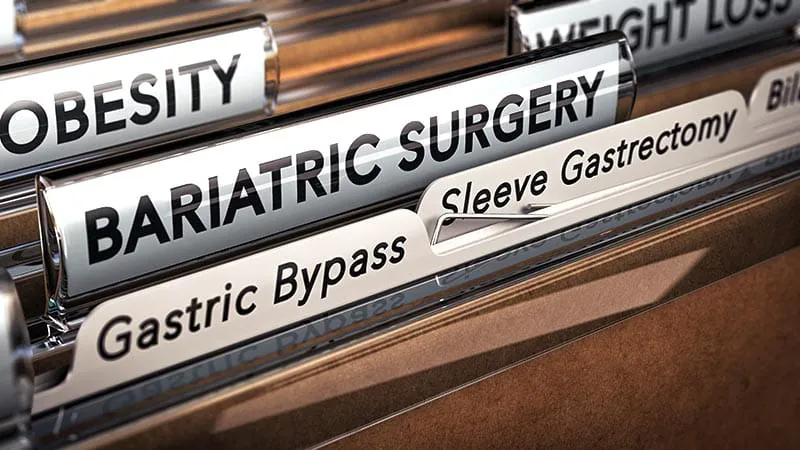
Surgery wins the long game on obesity. A 14-year study found that patients with diabetes and obesity were far more likely to achieve full obesity remission through bariatric surgery than with medical therapy — 57% vs. 13%. Researchers note the study predates the rise of newer GLP-1 drugs like semaglutide and tirzepatide, calling for a head-to-head comparison with modern medications.

A landmark 14-year study presented at ObesityWeek found that metabolic/bariatric surgery dramatically outperforms medical and lifestyle therapy when it comes to achieving full obesity remission in patients with both diabetes and obesity. The ARMMS-T2D trial — a pooled analysis of four randomized controlled trials — followed 256 patients and found that surgery led to sustained, meaningful weight reduction that medications couldn't match over the long haul.
One important caveat: the study largely predates the era of powerful GLP-1 drugs like semaglutide (Wegovy) and tirzepatide (Zepbound), meaning the medical therapy group mostly relied on older, less effective weight-loss medications. Researchers are now calling for a new head-to-head trial comparing surgery against today's best-in-class obesity drugs.
By the Numbers:
Why it matters: This study gives physicians and patients clearer, long-term data to guide treatment decisions — framing obesity remission, not just weight loss, as the ultimate goal. With modern GLP-1 drugs closing the gap on surgical weight loss, a direct comparison is now more urgent than ever.