Turn on cookies to sign in
Signing in saves your progress to your Curie account. We can only do that with cookies on — turn them on to continue.
Three months in, CDC Director Erica Schwartz is facing congressional investigations, calls to resign, and deep skepticism from her own staff. Critics say her handling of the measles death count and lack of public visibility have undermined trust. Meanwhile, the agency still has permanent leadership in only 4 of its 12 centers and institutes.
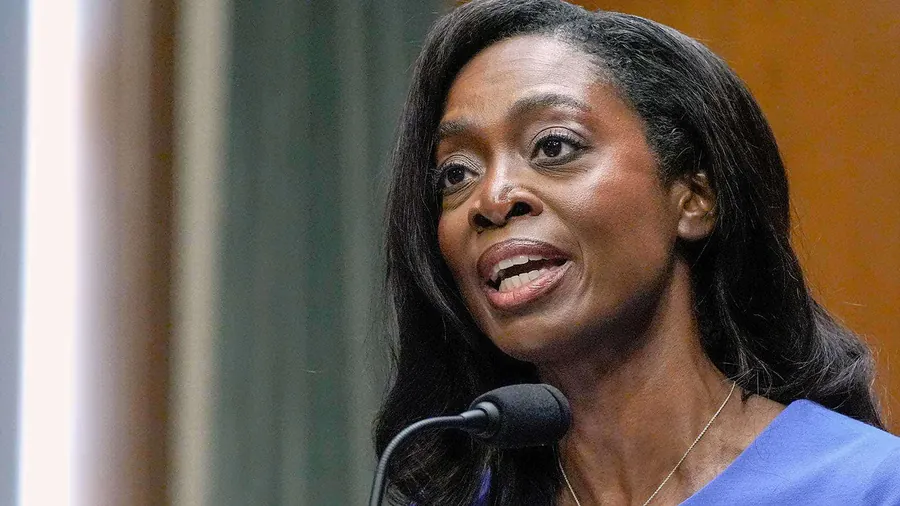
Three months into her tenure, CDC Director Erica Schwartz, MD, MPH, is under significant pressure — facing a House Democratic investigation, a Senate call to resign, and widespread disillusionment among agency staff. Schwartz took the helm amid the worst U.S. measles epidemic in over three decades, a dengue fever outbreak in Florida, and a record-breaking overseas Ebola outbreak, all while reporting to Health Secretary Robert F. Kennedy Jr., a longtime vaccine skeptic who oversaw the departure of roughly 30% of CDC staff.
Critics have zeroed in on Schwartz's decision to change how measles-associated deaths are counted — a move that has resulted in the CDC reporting roughly half the deaths that states are tallying. She has also yet to hold a news conference or publicly champion vaccination, a notable absence given the scale of the measles crisis. Eight current CDC employees, speaking anonymously, described low morale, leadership instability, and a disconnect from political appointees. The agency has named only one permanent center director since August, with most leadership slots still vacant or filled on an acting basis.
Key Takeaways:
Why it matters: The CDC's credibility and operational capacity are central to the nation's ability to respond to public health threats. With staff morale low, leadership vacancies widespread, and a measles epidemic worsening, the dysfunction at the agency has real consequences for Americans' health.