Turn on cookies to sign in
Signing in saves your progress to your Curie account. We can only do that with cookies on — turn them on to continue.
A new oral drug candidate, CTX-439, targets two key enzymes (CDK12 and CDK13) to block cancer cells' ability to repair DNA, effectively halting their growth. Researchers at Kyoto University found that combining CTX-439 with a BCL-2/BCL-xL inhibitor dramatically boosted cancer cell death in lab and animal models. The findings open the door to a promising new class of combination cancer therapies.
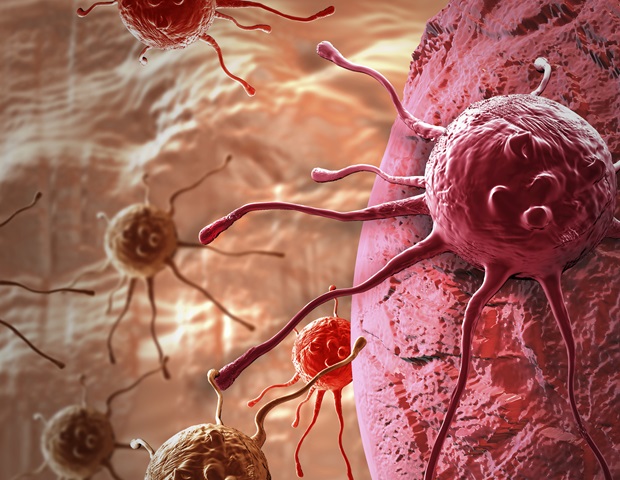
Researchers at Kyoto University and Chordia Therapeutics Inc. have developed a novel oral drug candidate, CTX-439, that targets the protein kinases CDK12 and CDK13 — enzymes that help cancer cells transcribe DNA and repair damage. By inhibiting these kinases, CTX-439 disrupts the transcription of long genes critical for DNA repair, effectively suppressing cancer cell proliferation. The drug was tested across multiple cancer cell lines and in mouse models of breast cancer.
One of the study's more surprising findings involved the anti-apoptotic protein MCL1. CTX-439 caused abnormal splicing and transcriptional read-through in MCL1, reducing its functional expression in the cytoplasm — making cancer cells increasingly dependent on two other survival proteins, BCL-2 and BCL-xL. This dependency became a therapeutic opportunity: combining CTX-439 with a BCL-2/BCL-xL inhibitor significantly amplified cancer cell death compared to either drug alone.
Key Takeaways:
Why it matters: Oral CDK12/13 inhibitors have been difficult to develop, making CTX-439 a meaningful step forward. Its ability to create a targetable vulnerability in cancer cells — and work synergistically in combination — could pave the way for more effective, accessible cancer treatments.