Turn on cookies to sign in
Signing in saves your progress to your Curie account. We can only do that with cookies on — turn them on to continue.
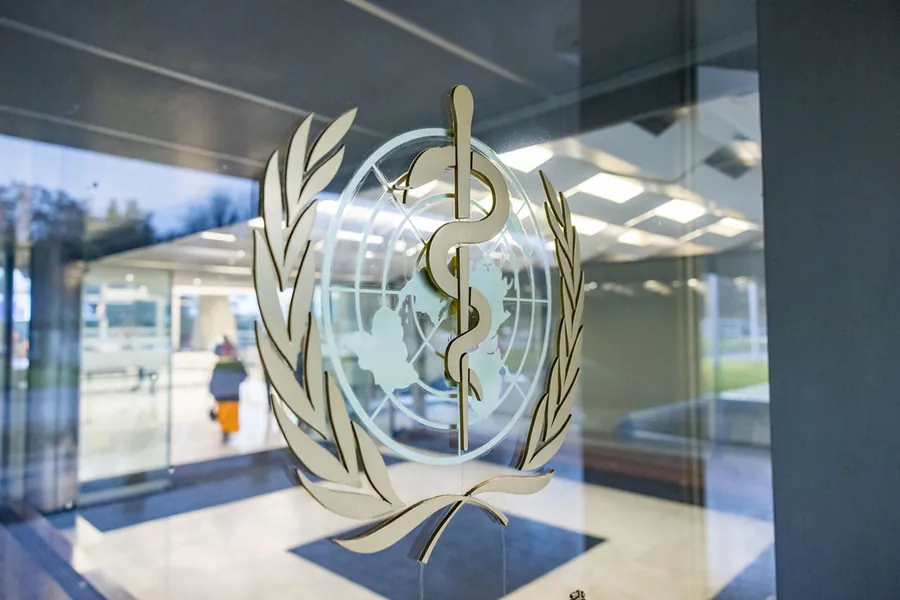
The WHO and China's National Institutes for Drug Control (NIDC) have signed a Memorandum of Understanding to improve access to safe, quality-assured in vitro diagnostic (IVD) devices — especially in low- and middle-income countries. The partnership will focus on technical collaboration, evidence generation, and strengthening quality assurance and post-market surveillance for diagnostics, including point-of-care tests.
The World Health Organization (WHO) and China's National Institutes for Drug Control (NIDC) have formalized a Memorandum of Understanding (MoU) aimed at expanding access to safe, reliable in vitro diagnostic (IVD) medical devices worldwide. Signed on September 2, 2026, the agreement builds on years of existing cooperation between the two organizations and signals a shared commitment to strengthening global health systems through better diagnostics.
Under the MoU, WHO and NIDC will work together on technical guidance, evidence generation, and support for implementing the WHO Model List of Essential In Vitro Diagnostics. A key focus will be improving quality assurance and post-market surveillance — particularly for point-of-care tests used in resource-limited settings.
Key Takeaways:
Why it matters: Reliable diagnostics are the backbone of effective healthcare — without them, diseases go undetected and untreated. By pooling expertise between WHO and one of the world's largest regulatory bodies, this agreement could meaningfully raise the bar for diagnostic quality in countries that need it most.