Turn on cookies to sign in
Signing in saves your progress to your Curie account. We can only do that with cookies on — turn them on to continue.
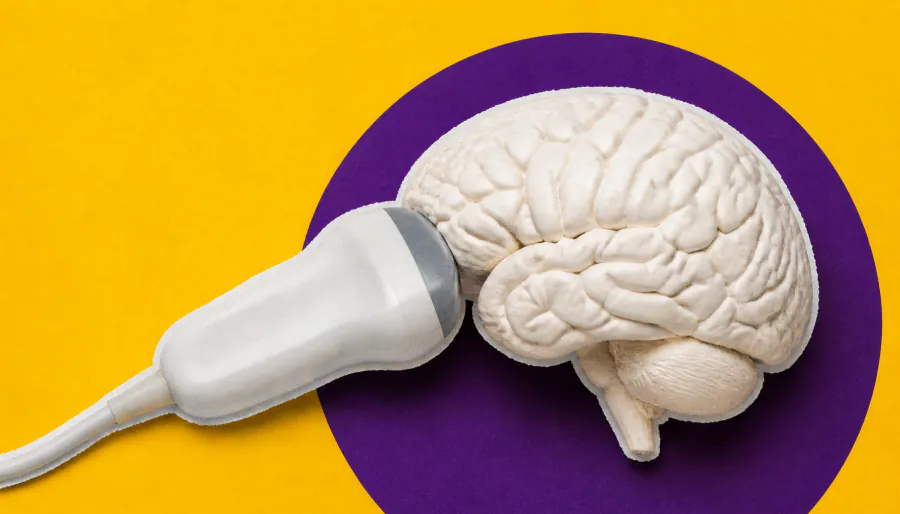
A new frontier for fibromyalgia care is emerging. At ACR Convergence, experts highlighted sensory sensitivity as a key tool for fibromyalgia screening and diagnosis, while low-intensity focused ultrasound (LIFU) is gaining traction as a promising neural stimulatory therapy. Results from ongoing studies are expected within 3–4 years and could reshape how this notoriously difficult condition is treated.
Fibromyalgia has long been one of medicine's trickier puzzles — hard to diagnose, harder to treat. But at ACR Convergence in Orlando, experts spotlighted two developments that could change the game: using sensory sensitivity as a screening and diagnostic tool, and harnessing low-intensity focused ultrasound (LIFU) as a novel therapy.
Dr. Daniel J. Clauw of the University of Michigan Medicine explained that LIFU is particularly exciting because it can reach deep brain regions believed to be at the root of fibromyalgia's chronic pain and fatigue — something current treatments simply can't do. This non-invasive approach to neural stimulation could open a new chapter in managing central sensitization disorders.
Key Takeaways:
Why it matters: Fibromyalgia affects millions and remains chronically undertreated. If LIFU proves effective, it could offer patients a non-pharmacological option that addresses the neurological root of their suffering — a major leap forward.