Turn on cookies to sign in
Signing in saves your progress to your Curie account. We can only do that with cookies on — turn them on to continue.
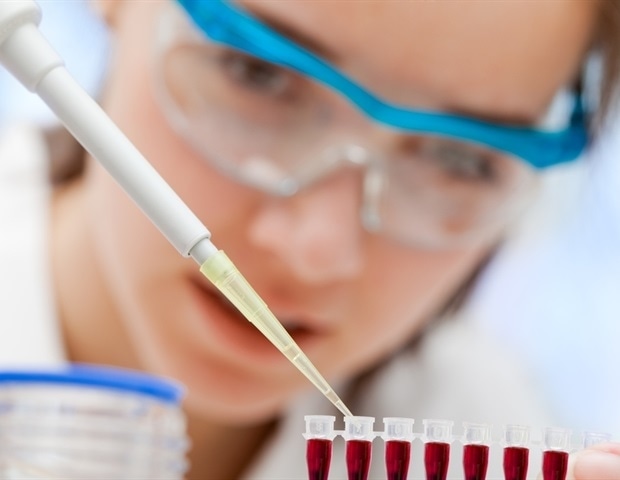
Tagomics launches LiquiPath, a first-of-its-kind blood test that uses cell-free DNA to detect drug-related organ damage earlier and more precisely than current methods. The platform can identify tissue-specific injury signals from a single blood draw, spanning multiple organs and species. It's already being developed with partners like AstraZeneca and is now open for early access.
Precision medicine company Tagomics has unveiled LiquiPath™, a novel "liquid pathology" platform designed to transform drug safety monitoring across the entire drug development lifecycle — from preclinical studies to post-market surveillance. Unlike conventional safety tools that often catch organ damage only after it's already significant, LiquiPath uses epigenetic technology to trace circulating cell-free DNA (cfDNA) back to its tissue of origin from a single blood sample.
The platform leverages Tagomics' proprietary Activace technology, combined with cell-type-specific methylation atlases and deconvolution algorithms, to detect treatment-related toxicity across multiple organs simultaneously. In preclinical settings, it could reduce reliance on animal testing and histopathology, while clinically, it aims to enable earlier detection of subclinical toxicity and better patient stratification.
Key Takeaways:
Why it matters: Therapy-induced toxicity is a leading cause of drug trial failures and patient harm. A tool that can flag organ-specific damage earlier — and non-invasively — could meaningfully improve both drug development success rates and patient safety outcomes.