Turn on cookies to sign in
Signing in saves your progress to your Curie account. We can only do that with cookies on — turn them on to continue.
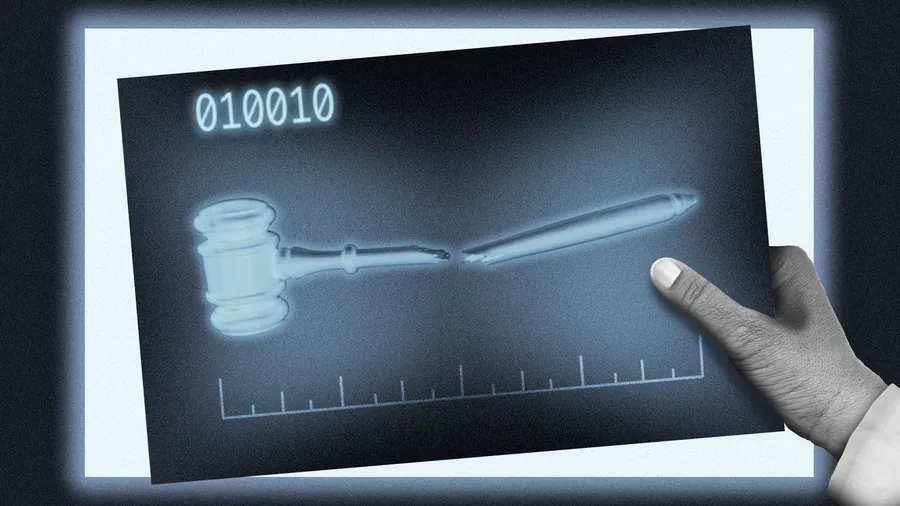
AI in medicine is creating a legal minefield for physicians. Mock jury studies show that when doctors — especially radiologists — override an AI's findings and something goes wrong, juries are far more likely to rule against them. The American Medical Association is pushing for new laws to protect clinicians, but clear legal precedents are still years away.
AI is getting remarkably good at spotting medical problems — but that's creating an unexpected legal challenge for doctors. Researchers at Brown University ran simulated malpractice trials and found that mock jurors were significantly more likely to side against a physician when the doctor disagreed with an AI's diagnosis and the patient was harmed. The effect was especially pronounced in radiology, where AI tools are most widely deployed and missing an abnormality can be fatal.
The catch? AI systems make mistakes too. When jurors were informed of an AI tool's error rate, fewer ruled against the physician — suggesting that transparency about AI limitations could be a key legal safeguard. Researchers also found that doctors who reviewed scans twice (once before and once after consulting AI) were perceived as more careful and less liable than those who did a single read. The broader concern is a rise in "defensive medicine," where physicians order unnecessary follow-up tests just to cover themselves legally — driving up costs and patient anxiety.
By the Numbers:
Why it matters: As AI becomes embedded in clinical practice, the legal system hasn't kept pace. Physicians — particularly radiologists — are caught in a bind where overriding AI can expose them to malpractice risk, even when their clinical judgment is sound. The AMA is calling for federal legislation to shift some liability to AI developers and vendors, but until clear legal standards emerge, doctors are largely navigating this landscape on their own.