Turn on cookies to sign in
Signing in saves your progress to your Curie account. We can only do that with cookies on — turn them on to continue.
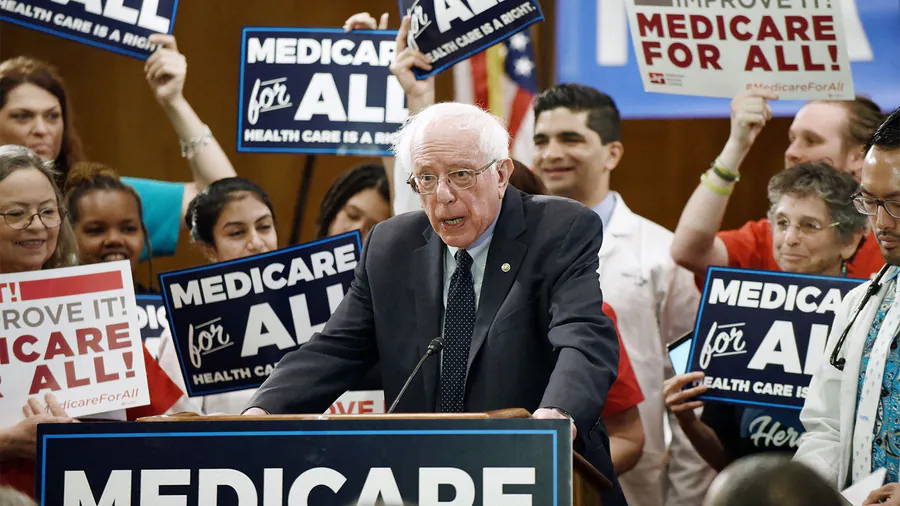
Medicare for All is generating buzz among incoming Democratic lawmakers, but experts say a full single-payer overhaul is a long shot in the near term. Instead, incremental steps — like lowering Medicare's eligibility age and adding dental, vision, and hearing coverage — are seen as the more realistic path forward. Political math, competing priorities, and a projected $32 trillion price tag are the biggest hurdles.
Medicare for All (MFA) is back in the spotlight as newly elected Democratic lawmakers champion universal coverage — but policy experts are pumping the brakes on expectations. Despite significant Democratic gains in the midterms, the party still falls short of the 60 Senate votes needed to overcome a filibuster, let alone the 67 required to override a presidential veto. That political reality makes a sweeping single-payer overhaul a tough sell in the near term.
Instead, the more likely path runs through incremental reform. Sen. Bernie Sanders has outlined a step-by-step approach that includes lowering the Medicare eligibility age, expanding coverage to dental, vision, and hearing, and covering children. A memo to incoming House Speaker Hakeem Jeffries echoed this strategy, proposing a $5,000 annual out-of-pocket cap for Medicare beneficiaries as part of a "First 100 Hours" plan.
Key Takeaways:
Why it matters: For healthcare providers and patients alike, the debate signals that meaningful — if modest — Medicare reforms could be on the horizon, even if a full single-payer system remains a distant goal.