Turn on cookies to sign in
Signing in saves your progress to your Curie account. We can only do that with cookies on — turn them on to continue.
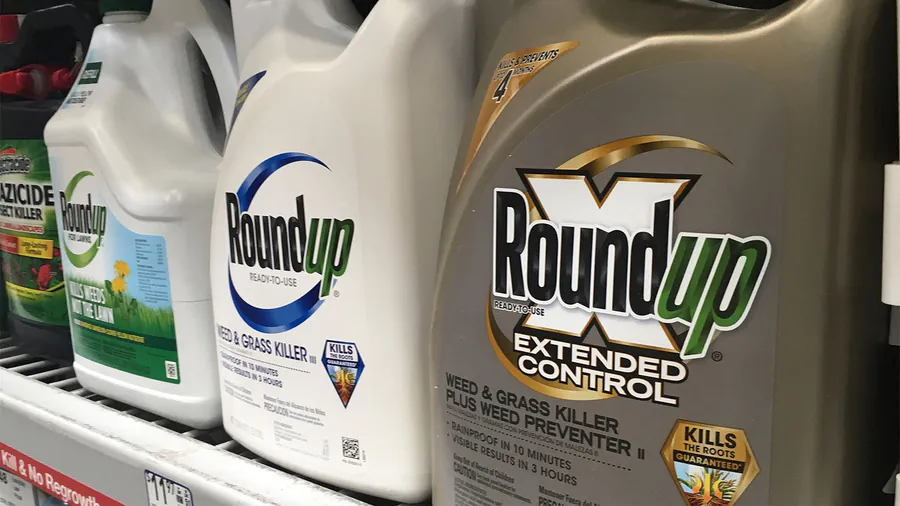
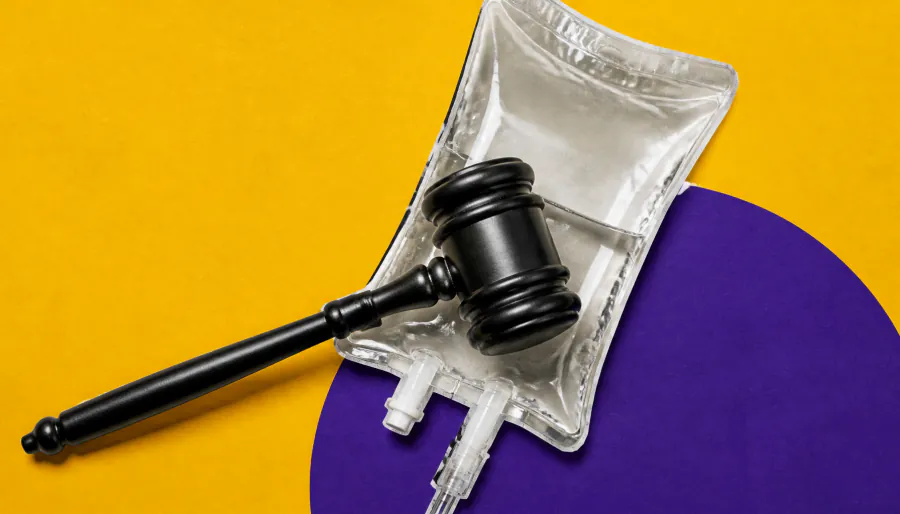
A Missouri judge has approved Bayer's $7.25 billion settlement over claims that its Roundup weedkiller causes non-Hodgkin lymphoma. The deal covers both current and future claimants, with individual payouts ranging from $10,000 to $165,000. While some attorneys say the amounts are too low, others argue it beats the uncertainty left by a recent Supreme Court ruling that weakened plaintiffs' legal footing.
A Missouri judge has signed off on Bayer's $7.25 billion settlement — one of the largest mass tort personal-injury settlements in U.S. history — resolving tens of thousands of claims that its Roundup weedkiller causes non-Hodgkin lymphoma. The deal, which will be paid out over 20 years, covers both people already diagnosed and those who may be diagnosed in the future.
Not everyone is celebrating. Some plaintiffs' attorneys argue the individual payouts — averaging between $10,000 and $165,000 depending on usage, age at diagnosis, and illness severity — are far too modest. Others, however, say the settlement is the pragmatic choice after the U.S. Supreme Court ruled in June that Bayer cannot be sued in state courts for failure-to-warn claims, since federal regulations don't mandate a cancer warning label on Roundup.
Bayer, which denies Roundup causes cancer, called the approval a "decisive milestone." The EPA maintains glyphosate is not likely carcinogenic when used as directed, while the WHO's cancer research arm classified it as "probably carcinogenic" back in 2015.
By the Numbers:
Why it matters: This settlement draws a line under years of costly litigation for Bayer while offering some — if contested — financial relief to cancer patients. The Supreme Court's recent ruling has fundamentally shifted the legal landscape, making this deal a likely endpoint for most claimants rather than a stepping stone to bigger courtroom wins.