Turn on cookies to sign in
Signing in saves your progress to your Curie account. We can only do that with cookies on — turn them on to continue.
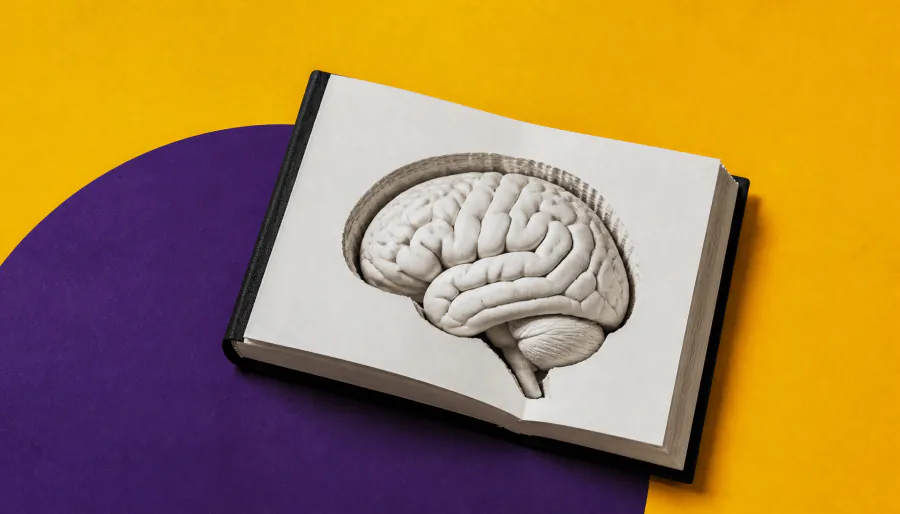
Cracking open a book might be one of the best things you can do for your brain. A review published in Psychological Medicine by Cambridge researchers found that reading for pleasure is associated with better memory, reduced stress, improved mental health, and a 33% lower risk of Alzheimer's disease. Even just five minutes of fiction can cut stress levels by up to 20%.
Picking up a book — any book — could be one of the simplest investments you make in your long-term brain health. A review published in Psychological Medicine by Cambridge psychiatry researchers Prof. Barbara Sahakian and Dr. Christelle Langley found that reading for enjoyment is tied to a wide range of cognitive and emotional benefits, from sharper memory and attention in children to a significantly reduced risk of dementia in older adults.
The findings span all age groups. Children who read for pleasure early in life showed stronger academic performance, better executive function, fewer mental health problems, and healthier sleep habits. In adults, reading ranked as the #1 stress-relief activity, and even brief sessions made a measurable difference. The researchers also highlight that shared reading — through book clubs or parent-child storytelling — adds a social dimension that may further protect against cognitive decline.
By the Numbers
Why it matters: With dementia cases rising globally, low-cost, accessible interventions like reading could play a meaningful role in public health strategies — and clinicians have a simple, evidence-backed habit to recommend to patients of all ages.