Turn on cookies to sign in
Signing in saves your progress to your Curie account. We can only do that with cookies on — turn them on to continue.
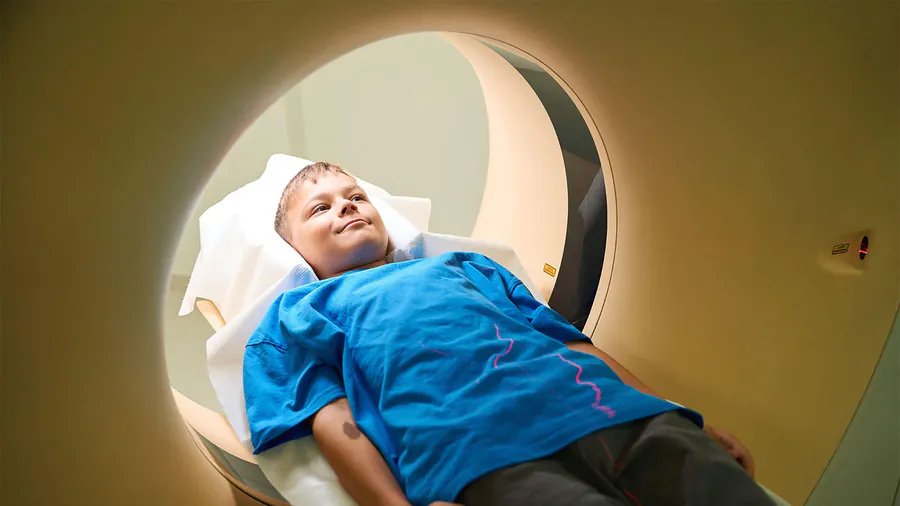
A large study of 3.7 million kids found that ionizing radiation from medical imaging — like CT scans — is tied to a dose-dependent increase in brain tumor risk. The findings reinforce the need to use radiation-based imaging in children only when clinically necessary. Experts caution, though, that individual benefits of getting the right diagnosis often outweigh the small long-term risk.
A major retrospective cohort study published in JAMA has strengthened the case that medical imaging using ionizing radiation raises brain tumor risk in children and adolescents. Analyzing data from over 3.7 million kids born in the U.S. or Canada between 1996 and 2016, researchers found a clear dose-response relationship — the more radiation exposure, the higher the risk.
The study captured imaging across CT, radiography, fluoroscopy, angiography, and nuclear medicine, making it one of the most comprehensive analyses of its kind in North America. A total of 1,536 brain tumors were diagnosed over the follow-up period, with the majority classified as aggressive histology.
By the Numbers:
Why it matters: While the absolute risk for any individual child remains small, the population-level impact is significant. Experts stress that imaging with ionizing radiation should only be ordered when clinically justified and performed with dose-minimizing protocols — balancing diagnostic benefit against long-term risk.