Turn on cookies to sign in
Signing in saves your progress to your Curie account. We can only do that with cookies on — turn them on to continue.
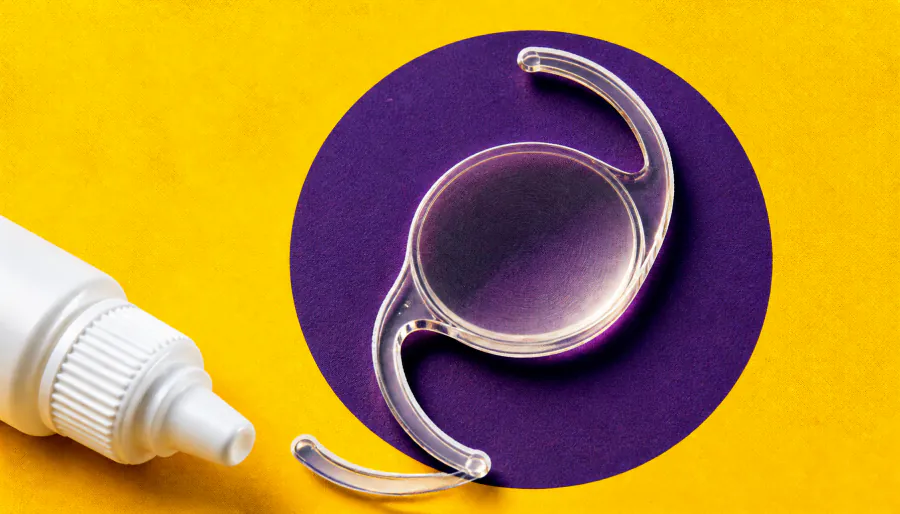
A bimatoprost drug pad-IOL system is showing real promise for glaucoma management. One-year data from the SpyGlass system confirm sustained IOP reductions, excellent visual outcomes, and a safety profile comparable to standard cataract surgery — with 98% of patients medication-free at 12 months.
The SpyGlass bimatoprost drug pad-IOL system — a device that combines an intraocular lens with a sustained-release glaucoma medication — is delivering on its early promise. One-year data from an ongoing Phase 1/2 randomized trial, presented at the American Academy of Ophthalmology meeting in New Orleans, confirm that the system significantly reduces intraocular pressure (IOP) and treatment burden while maintaining a strong safety profile.
The trial enrolled 106 patients with mild-to-moderate open-angle glaucoma or ocular hypertension, randomized to receive the implant at two doses (78 µg or 39 µg) or a control (standard IOL + timolol 0.5%). All groups saw meaningful IOP reductions at 12 months, and endothelial cell loss was comparable to standard cataract surgery — a key safety concern that had been closely watched.
Why it matters: For glaucoma patients, medication adherence is a persistent challenge. A device that eliminates the need for daily eye drops while delivering sustained IOP control could be a game-changer for long-term disease management.