Turn on cookies to sign in
Signing in saves your progress to your Curie account. We can only do that with cookies on — turn them on to continue.
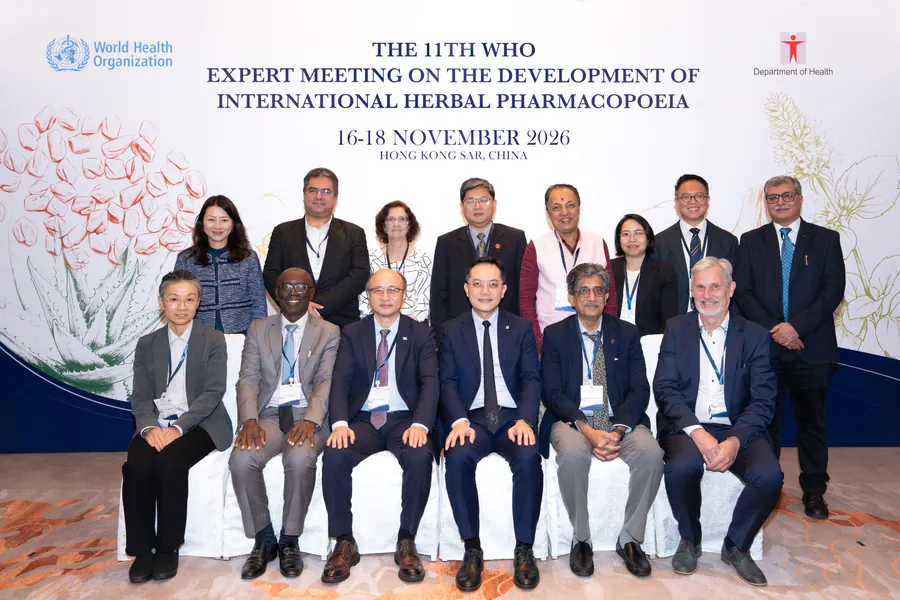
The WHO is working to set the bar for herbal medicine quality worldwide. Experts from all six WHO regions gathered in Hong Kong to develop internationally harmonized quality standards for herbal medicines, including 12 monographs on priority herbs. The effort aims to strengthen regulatory systems and support the safe, evidence-based integration of traditional medicine into global health systems.
The WHO Global Traditional Medicine Centre brought together experts from all six WHO regions in Hong Kong (November 16–18, 2026) to push forward the development of the first volume of international quality standards for herbal medicines. The meeting — the latest in a series running since November 2024 — focused on 12 monographs covering priority herbal medicines, with each monograph set to include sections on biodiversity, traditional knowledge, and sustainable use.
WHO officials emphasized that robust quality standards are essential to building trust in traditional medicine and enabling its responsible integration into mainstream health systems. The initiative aligns with the WHO Global Traditional Medicine Strategy 2025–2034, which calls for stronger quality assurance and regulatory frameworks worldwide.
Key Takeaways:
Why it matters: As traditional and herbal medicines remain widely used across the globe, the absence of consistent quality standards poses real risks to patient safety. WHO's push for harmonized standards could help regulators, healthcare providers, and consumers make more informed, evidence-based decisions about herbal medicine use.