Turn on cookies to sign in
Signing in saves your progress to your Curie account. We can only do that with cookies on — turn them on to continue.
An AI-driven CT analysis tool beat standard stress testing in diagnosing coronary artery disease, according to the PARAMOUNT trial. The AI-QCT system (Cleerly) doubled diagnostic certainty and drove greater LDL reductions compared to usual care — all without increasing unnecessary procedures. Presented at the AHA Scientific Sessions, the findings could reshape how suspected CAD is evaluated.
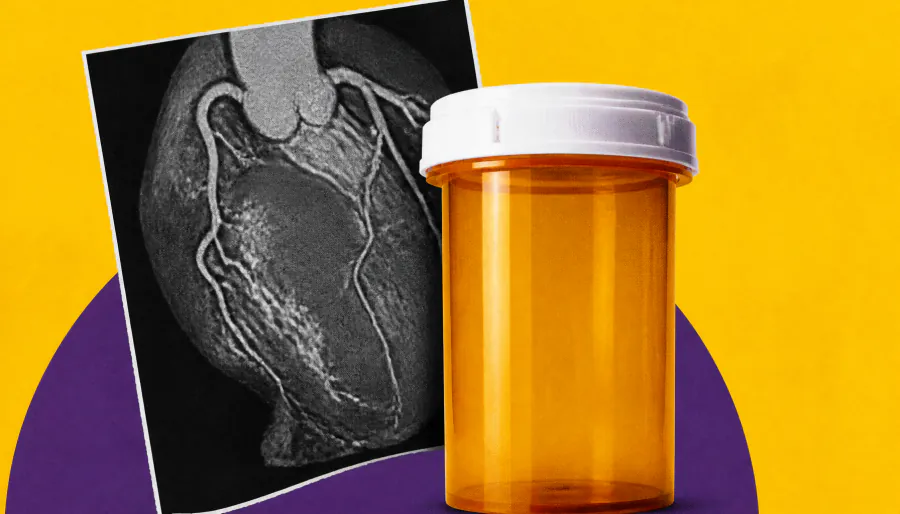
The PARAMOUNT trial, presented at the American Heart Association Scientific Sessions, found that an AI-enabled quantitative coronary CT analysis (AI-QCT) system significantly outperformed standard functional stress testing in patients with suspected coronary artery disease (CAD). The AI tool — developed by Cleerly — analyzes CT scans to assess stenosis, quantify plaque volume and composition across the entire coronary tree, and estimate the likelihood of ischemia, giving clinicians a comprehensive, standardized picture of a patient's coronary health.
Beyond diagnosis, the AI-QCT strategy also drove better treatment decisions. Physicians used the detailed plaque data to intensify lipid-lowering therapy, with patients showing the most plaque burden seeing the greatest LDL reductions. Importantly, the approach did not lead to a surge in unnecessary downstream procedures — a concern some had raised going in.
By the Numbers:
Why it matters: Stress tests have long been the standard for evaluating suspected CAD, but this trial suggests AI-guided CT analysis can give clinicians far more actionable information — helping get the right patients to the cath lab while sparing others from unnecessary procedures.