Turn on cookies to sign in
Signing in saves your progress to your Curie account. We can only do that with cookies on — turn them on to continue.
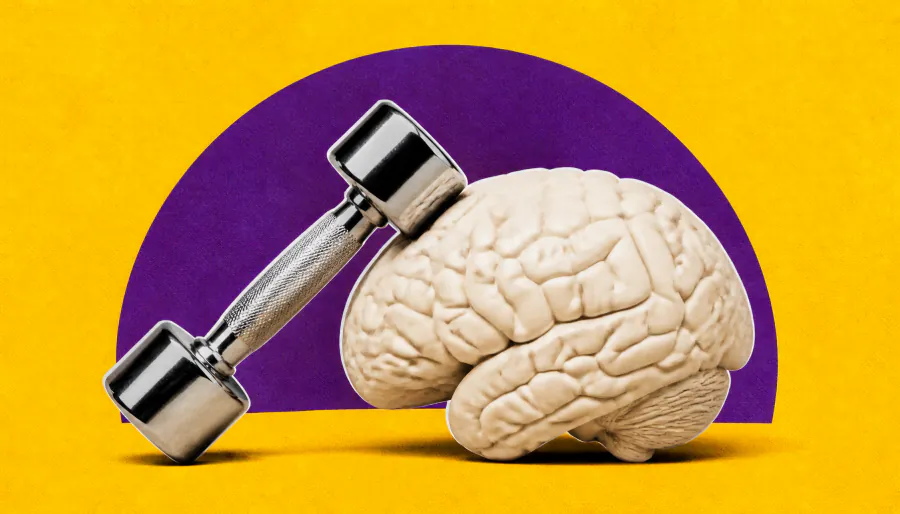
Too much exercise, too little rest — bad news for your brain. A new mouse study found that prolonged, intense training kept dopamine levels elevated in the hippocampus for up to 48 hours post-exercise, well past the expected recovery window. Researchers say this disrupted brain chemistry could help explain why overtrained athletes often battle insomnia, anxiety, and persistent fatigue.
More exercise isn't always better — at least not for your brain. A new study published in Neuroscience by researchers at the University of São Paulo found that mice subjected to weeks of grueling, high-volume training showed persistently elevated dopamine levels in the hippocampus — a brain region tied to memory and emotional regulation — even 48 hours into their recovery period. A single exhausting session also spiked dopamine, but the effect was far more pronounced and prolonged in the chronically overtrained group.
Dopamine is best known for its role in motivation and pleasure, but it also governs wakefulness and alertness. When it stays elevated during periods meant for rest, it may prevent the brain from properly winding down — potentially linking overtraining to insomnia, anxiety, and chronic fatigue. Notably, serotonin levels showed no significant changes, challenging the long-held view that serotonin is the primary driver of exercise-related fatigue.
Key Takeaways:
Why it matters: For clinicians advising athletes or active patients, these findings add a neurochemical dimension to overtraining syndrome. Symptoms like insomnia and mood disturbances may not just be "burnout" — they could reflect measurable disruptions in brain chemistry, underscoring the importance of adequate recovery as a core component of any training plan.