Turn on cookies to sign in
Signing in saves your progress to your Curie account. We can only do that with cookies on — turn them on to continue.
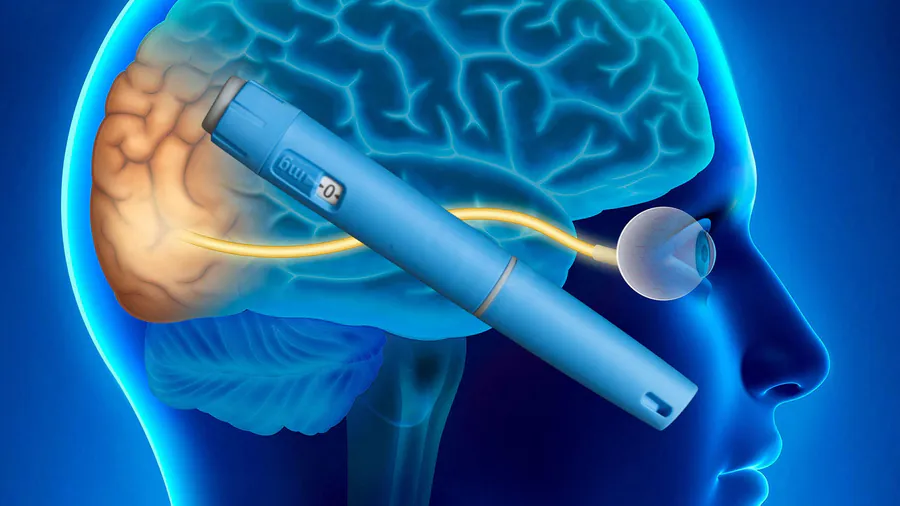
The FDA now requires GLP-1 drugs like Ozempic and Wegovy to carry warnings about a rare but serious eye condition called NAION, which can cause sudden, permanent vision loss. But the warning leaves a critical question unanswered: should patients stop their medication after a diagnosis? Experts are calling on the FDA to fund studies that track what actually happens when patients stop, continue, or switch treatment.
The FDA has mandated new warnings across the entire GLP-1 drug class — including semaglutide (Ozempic, Wegovy) and tirzepatide (Mounjaro, Zepbound) — about a possible increased risk of non-arteritic anterior ischemic optic neuropathy (NAION), a rare condition that can cause sudden, painless, and permanent vision loss. The move follows growing concern from regulators, clinicians, and litigants, with European regulators having already flagged the risk for semaglutide over a year earlier.
The warning, however, stops short of answering the most pressing clinical question: what should a patient do after developing NAION? The FDA advises considering discontinuation unless benefits clearly outweigh risks, while European guidance recommends stopping semaglutide outright. Complicating matters, many patients rely on GLP-1s to manage diabetes, reduce heart attack risk, or protect kidney function — making a simple "stop the drug" answer far from straightforward.
By the Numbers:
Why it matters: With millions of Americans on GLP-1 drugs, even a rare risk carries significant real-world impact. Clinicians and patients urgently need evidence-based guidance on managing GLP-1 therapy after a NAION diagnosis — and experts are calling on the FDA to mandate manufacturer-supported studies to fill that gap.