Turn on cookies to sign in
Signing in saves your progress to your Curie account. We can only do that with cookies on — turn them on to continue.
A new framework from McGill University could change the game for children with rare neurodevelopmental disorders by turning a genetic diagnosis into a direct path toward personalized treatment. Researchers demonstrated the approach by developing an experimental RNA therapy for a child with Kleefstra syndrome using lab-grown brain cells. The study, published in the American Journal of Human Genetics, aims to make individualized genetic therapies more accessible worldwide.
For children with rare neurodevelopmental disorders, a genetic diagnosis has often been the end of the road — not the beginning of treatment. McGill University researchers want to change that. They've developed a new framework, published in the American Journal of Human Genetics, that creates a single workflow connecting genetic diagnosis to the development and testing of personalized therapies — offering families a more direct path from "what's wrong" to "what can we do."
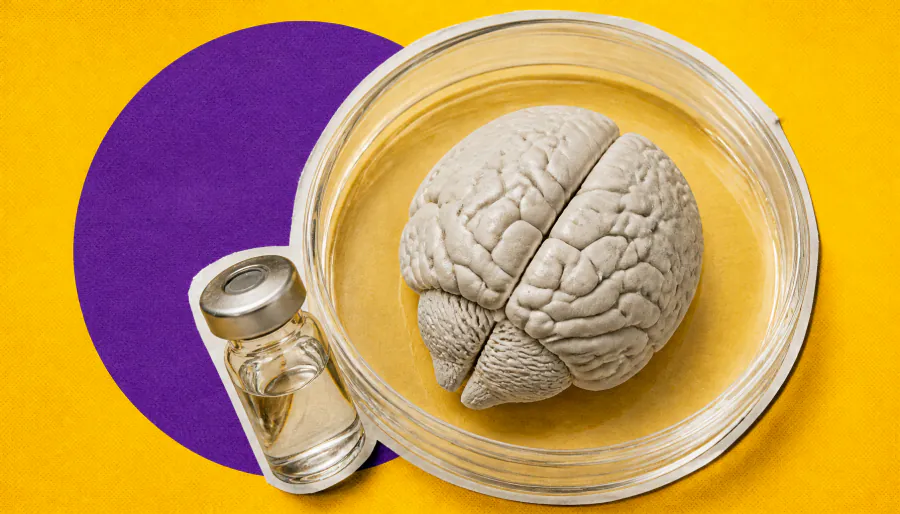
The process starts with a blood sample, which scientists use to grow brain cells carrying the patient's exact genetic mutation. Those cells are then used to study the disorder and screen potential treatments in the lab. To prove the concept, the team developed an experimental RNA therapy for a child with Kleefstra syndrome — a rare condition causing developmental delays, intellectual disability, and speech difficulties.
Key Takeaways:
Why it matters: Most rare disease patients have no treatment options simply because their conditions affect too few people to attract traditional drug development. This framework could flip that script — making one-of-a-kind therapies a realistic possibility for even the rarest of diagnoses.