Turn on cookies to sign in
Signing in saves your progress to your Curie account. We can only do that with cookies on — turn them on to continue.
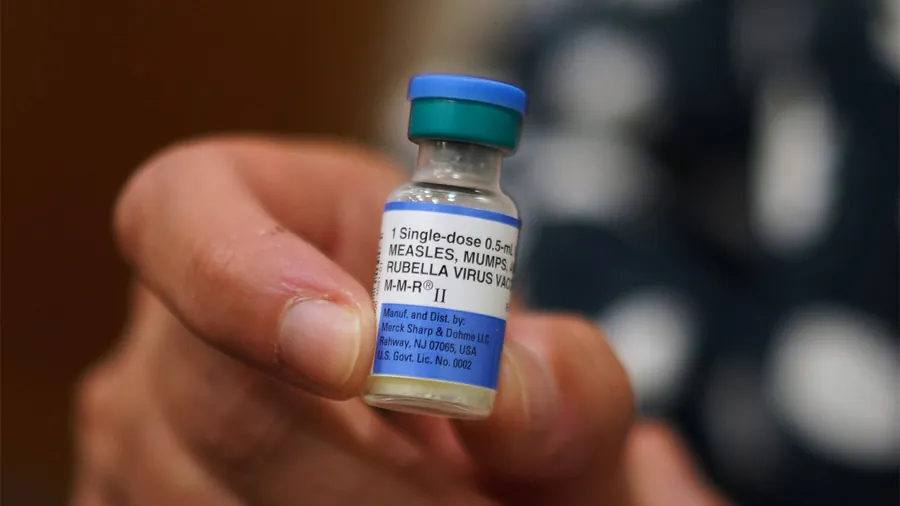
With measles officially resurging in the U.S. and adults making up a growing share of cases and hospitalizations, doctors are clarifying who really needs an MMR booster. Most vaccinated adults are still protected for life, but certain groups — healthcare workers, international travelers, and those vaccinated between 1963–1967 with an older, less effective vaccine — should consider getting one. When in doubt, talk to your doctor.
The U.S., Mexico, and Bolivia have officially lost their measles-free status amid stubborn outbreaks, and adults are increasingly caught in the crossfire. Data from 2026 shows that 37% of CDC-confirmed measles cases are in people over 20, and adult hospitalizations have actually outpaced those in children. Experts are urging a mindset shift: measles is no longer just a pediatric disease.
For most vaccinated adults, the good news is that two doses of the MMR vaccine offer lifelong protection — no booster needed. But certain groups fall into a gray zone. Adults vaccinated between 1963 and 1967 may have received a less effective inactivated vaccine, and those who only received one dose (standard before 1989) have about 93% protection compared to 97% with two doses.
Key Takeaways:
Why it matters: With measles circulating domestically and no antiviral treatments available, vaccination remains the only real defense. Unvaccinated children are now growing into unvaccinated adults, expanding the pool of susceptible individuals and raising the stakes for community-level immunity.