Turn on cookies to sign in
Signing in saves your progress to your Curie account. We can only do that with cookies on — turn them on to continue.
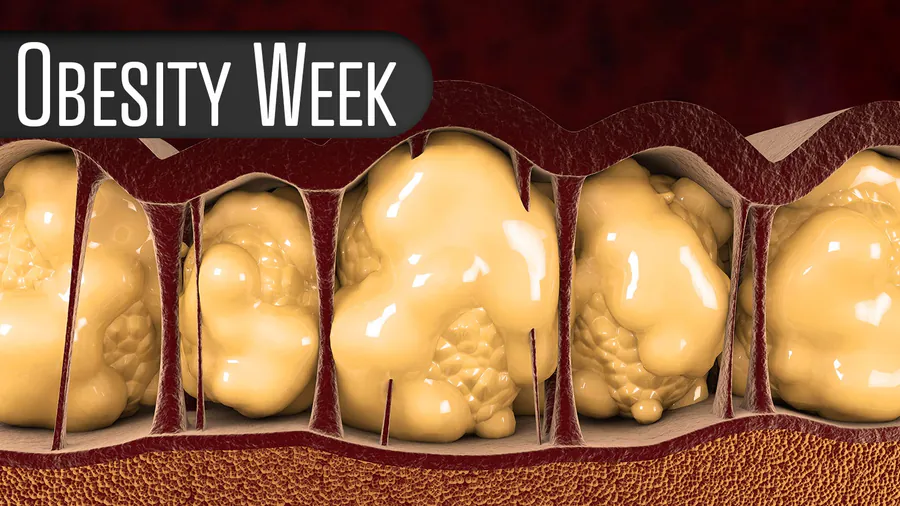
A once-daily pill for obesity is turning heads. NA-931, an investigational oral quadruple receptor agonist, cut body weight by up to 13.8% in just 13 weeks in a phase II trial — while preserving far more lean muscle mass than existing GLP-1 drugs like semaglutide and tirzepatide. Tolerability was also notably better, with GI side effects barely above placebo levels.
A new oral weight-loss drug is making waves at ObesityWeek 2026. NA-931, a small-molecule quadruple receptor agonist targeting IGF-1, GLP-1, GIP, and glucagon, achieved up to 13.8% mean body weight reduction in just 13 weeks in a randomized phase II trial — without the significant muscle loss seen with current GLP-1 therapies. Developer Biomed Industries says the results position NA-931 as a potential first-in-class oral option in a post-GLP-1 era of obesity management.
What sets NA-931 apart is its muscle-sparing profile. Lean mass declined by just 1.7% over 13 weeks, compared to 13.2% and 10.9% reductions seen in longer-duration trials of semaglutide and tirzepatide, respectively. The drug also crosses the blood-brain barrier at low doses, which may explain its remarkably clean tolerability — GI side effects were only marginally higher than placebo.
By the Numbers:
Why it matters: Muscle loss is a growing concern with GLP-1-based obesity therapies, especially for older adults who naturally lose 3–8% of muscle mass per decade. A drug that delivers meaningful weight loss while preserving lean mass could be a significant step forward for long-term metabolic health.