Turn on cookies to sign in
Signing in saves your progress to your Curie account. We can only do that with cookies on — turn them on to continue.
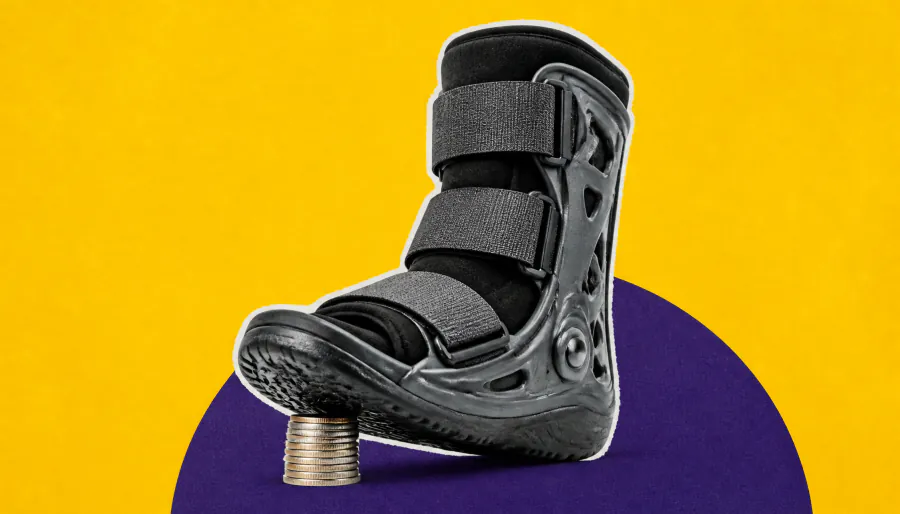
Treating Charcot neuroarthropathy patients earlier and more strategically could significantly cut pre-surgical costs, a new study suggests. Researchers found the average per-patient reimbursement in the year before midfoot reconstruction hit ~$23,000, with costs peaking 6–9 months before surgery. Early risk stratification and coordinated care could help redirect spending toward more effective interventions.
A new retrospective study presented at the American Orthopaedic Foot & Ankle Society Annual Meeting reveals that patients with Charcot neuroarthropathy rack up significant healthcare costs well before they ever reach the operating table — and smarter, earlier intervention could change that. Researchers analyzed data from ~6,300 patients who underwent midfoot reconstruction, tracking costs in the year leading up to surgery across services like office visits, imaging, physical therapy, wound care, and hyperbaric oxygen therapy.
Total preoperative costs across the cohort hit roughly $145 million, with an average per-patient reimbursement of ~$23,000. Notably, cost intensity peaked 6–9 months before surgery — suggesting that the current conservative management pathway may not be optimally timed or targeted.
By the Numbers:
Why it matters: These findings push clinicians to critically evaluate which conservative treatments are actually moving the needle — and which may be costly detours. Earlier risk stratification could help identify surgical candidates sooner, reducing unnecessary spending and improving outcomes for a vulnerable diabetic patient population.