Turn on cookies to sign in
Signing in saves your progress to your Curie account. We can only do that with cookies on — turn them on to continue.
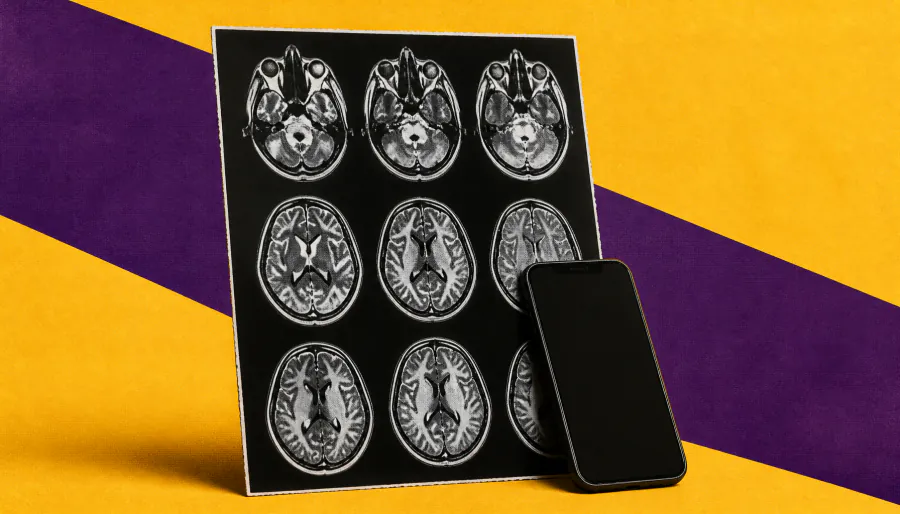
Tracking MS with just relapses or MRI scans? Experts say that's not enough. Simple, targeted questions and quick bedside tests can catch subtle decline that standard measures miss — no lengthy assessment required. The key is paying close attention to the nuances that matter most to each individual patient.
When it comes to monitoring multiple sclerosis (MS), relying on a single metric — whether it's relapses, MRI findings, or disability scores — can leave clinicians blind to meaningful change. Neurologists Dr. Stephen Krieger and Dr. Benjamin Greenberg argue that a more nuanced, patient-centered approach is both practical and essential, even within the constraints of a short clinic visit.
Dr. Krieger advocates for brief but targeted strategies that yield real-world insight. Asking a patient about their most recent performance review, for example, serves as a quick one-minute cognitive screen. Checking a patient's phone step counter over a four-year window compresses years of mobility data into 30 seconds. On exam, repeating tandem walking with eyes closed offers a far more sensitive balance test than standard gait assessment alone.
Key Takeaways:
Why it matters: Invisible symptoms stay invisible when clinicians don't actively look for them. These practical tools empower neurologists to detect subtle MS progression early — improving patient outcomes without overhauling clinic workflows.