Turn on cookies to sign in
Signing in saves your progress to your Curie account. We can only do that with cookies on — turn them on to continue.
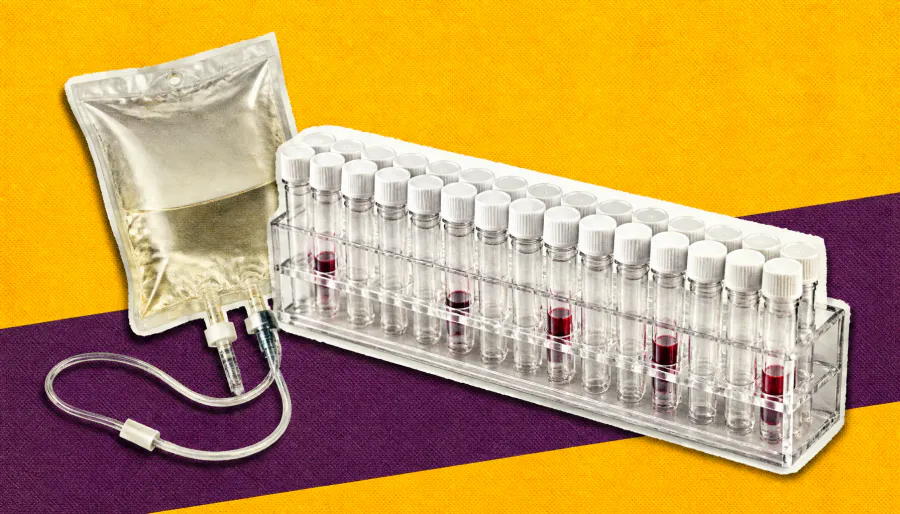
Scientists used genetic "barcodes" to track individual human blood-forming stem cells after transplantation into mice, revealing surprising differences from prior animal studies. The research shows how pre-transplant conditioning — like chemo or radiation — shapes immune recovery, and could pave the way for more personalized bone marrow transplant strategies for patients with leukemia, lymphoma, and inherited blood disorders.
Researchers at USC's Stem Cell lab have used genetic barcoding to track individual human blood-forming stem and progenitor cells after transplantation into mice — offering some of the clearest insights yet into how the human blood and immune system regenerates post-transplant. Published in npj Regenerative Medicine, the study compared two key cell types: hematopoietic stem cells (HSCs) and multipotent progenitor cells (MPPs), finding that human cells don't always behave the way mouse studies predicted.
One standout finding: human MPPs may have greater long-term regenerative capacity than previously thought, while HSCs proved more resilient and consistent across different conditioning treatments. The type of pre-transplant conditioning — whether radiation, chemotherapy (busulfan), or none — significantly influenced the speed and composition of blood and immune cell recovery, without affecting how well donor cells engrafted in the bone marrow.
Key Takeaways:
Why it matters: These findings could help clinicians tailor pre-transplant treatments to individual patients, potentially improving outcomes and reducing complications for those undergoing bone marrow transplants for blood cancers or inherited blood disorders.