Turn on cookies to sign in
Signing in saves your progress to your Curie account. We can only do that with cookies on — turn them on to continue.
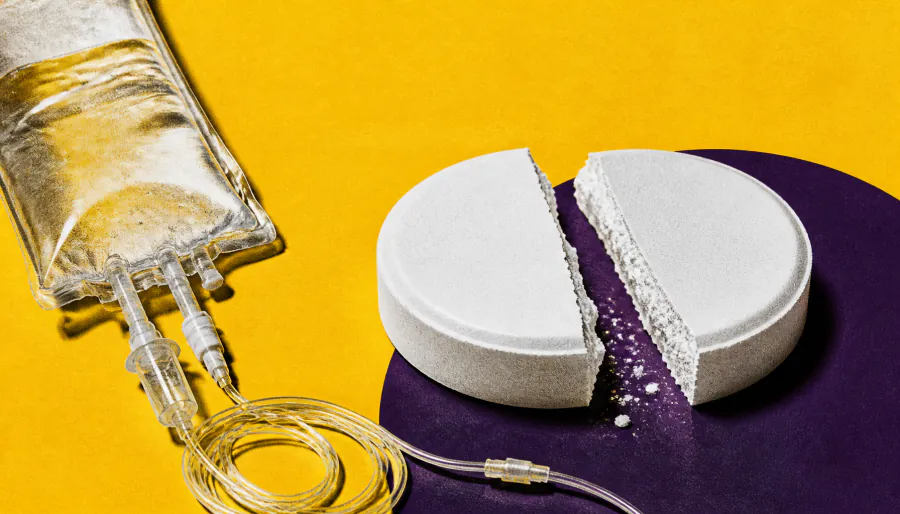
A phase 3 trial of AR1001, an experimental once-daily oral pill for early Alzheimer's disease, showed a 31% slowing of cognitive decline — but only in patients not already on standard AD medications. The drug missed its primary endpoint in the broader trial population. AriBio plans to discuss the full results with the FDA as next steps are determined.
An investigational oral drug for Alzheimer's disease, AR1001, cleared a key hurdle in its phase 3 POLARIS-AD trial — but with an important asterisk. Among the 604 participants who weren't already taking standard Alzheimer's medications (the "monotherapy" group), AR1001 slowed cognitive decline by 31% on a key clinical scale (CDR-SB) compared to placebo. However, in the full trial population of 1,535 patients, the drug failed to reach statistical significance.
AR1001 is a once-daily pill that works by inhibiting an enzyme called PDE5, boosting a signaling molecule in the brain. Unlike recently approved amyloid-targeting antibody infusions, this is a small-molecule oral drug — a potentially more accessible treatment approach. Biomarker data showed the drug was engaging its target in the brain and reducing a key Alzheimer's protein (p-tau217) in the monotherapy group.
Key Takeaways:
Why it matters: AR1001 represents a rare oral, non-antibody approach to early Alzheimer's treatment. If confirmed, it could offer a more convenient alternative to IV infusions — though the split results mean regulators and researchers will need to dig deeper before any approval pathway is clear.