Turn on cookies to sign in
Signing in saves your progress to your Curie account. We can only do that with cookies on — turn them on to continue.
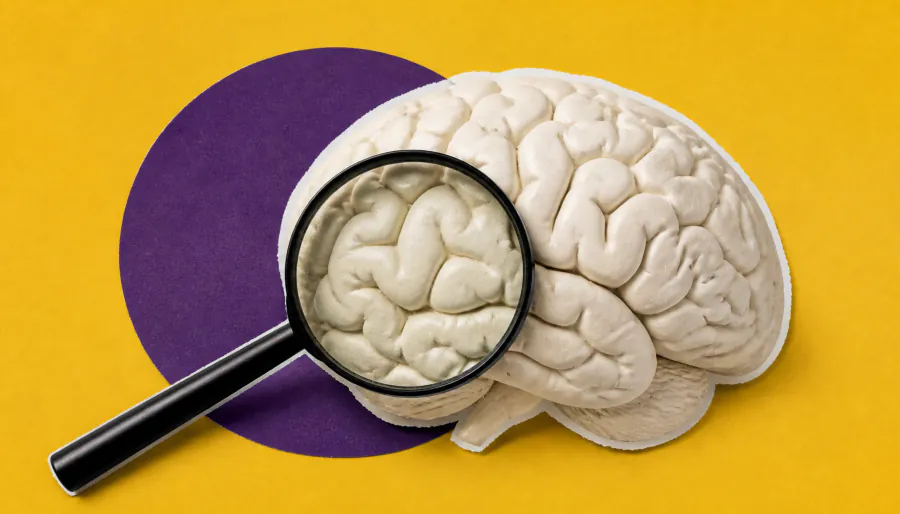
A new brain imaging study found that while people with and without autism look nearly identical when brain activity is averaged across groups, autistic individuals vary far more from one another — especially in regions tied to social processing. The findings, published in JNeurosci, suggest that group-average approaches may be masking the most meaningful insights, and that personalized, subgroup-focused research could be the key to better autism support.
A new brain imaging study is challenging a foundational assumption in autism research. Scientists from the University of Iowa found that when brain activity is averaged across groups, adults with and without autism look remarkably similar. But zoom in on individuals, and a very different picture emerges — autistic people show far greater variation from one another, particularly in brain regions responsible for processing social information.
To capture this, researchers analyzed brain scans taken while participants watched movies spanning multiple genres. They trained a computational model to link brain activity to visual, auditory, and social elements in the films — a richer, more real-world approach than typical lab tasks. The model predicted brain activity similarly for both groups on average, but individual autistic participants diverged significantly from each other.
Key Takeaways:
Why it matters: If autistic brains are highly individualized, then one-size-fits-all research and treatment approaches may be missing the mark. This study makes a compelling case for shifting toward personalized, subgroup-based frameworks in both autism research and care.