Turn on cookies to sign in
Signing in saves your progress to your Curie account. We can only do that with cookies on — turn them on to continue.
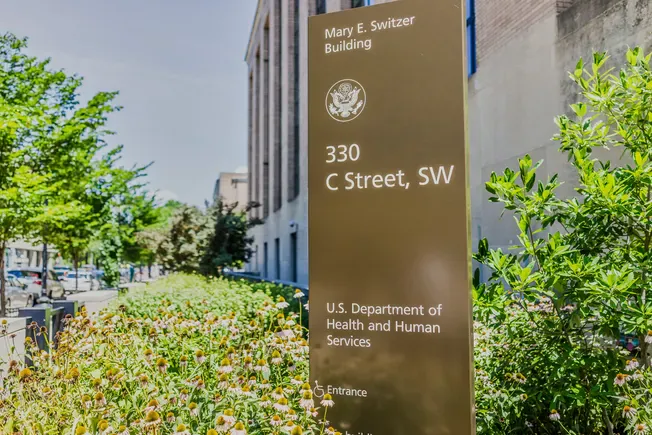
The HHS has finalized sweeping updates to the HIPAA Privacy Rule, cutting the time providers have to respond to patient record requests from 30 days to 15 and allowing patients to receive their records directly through health apps. The rule also formally defines "personal health application" and "electronic health record" for the first time. Compliance is expected by around July 10, roughly six months after the rule takes effect.
The HHS Office for Civil Rights has finalized major updates to the HIPAA Privacy Rule — the first significant overhaul since 2003 — aimed at giving patients faster, easier access to their own medical records. Originally proposed in 2020, the rule cuts the provider response window for record requests in half (from 30 to 15 days) and clears the path for patients to receive their health data directly through personal health apps. It also expands data-sharing permissions with third parties like social workers to improve care coordination.
A big deal for the digital health world: the rule formally defines "personal health application" and "electronic health record" for the first time under HIPAA, giving providers clearer legal footing when routing patient data to apps. Providers must now comply if a patient requests their records be sent to a qualifying app — no more ambiguity.
By the Numbers:
Why it matters: This rule modernizes a regulation built for a pre-smartphone era, making it easier for patients to own and access their health data — a shift with real implications for care coordination, digital health adoption, and provider workflows.