Turn on cookies to sign in
Signing in saves your progress to your Curie account. We can only do that with cookies on — turn them on to continue.
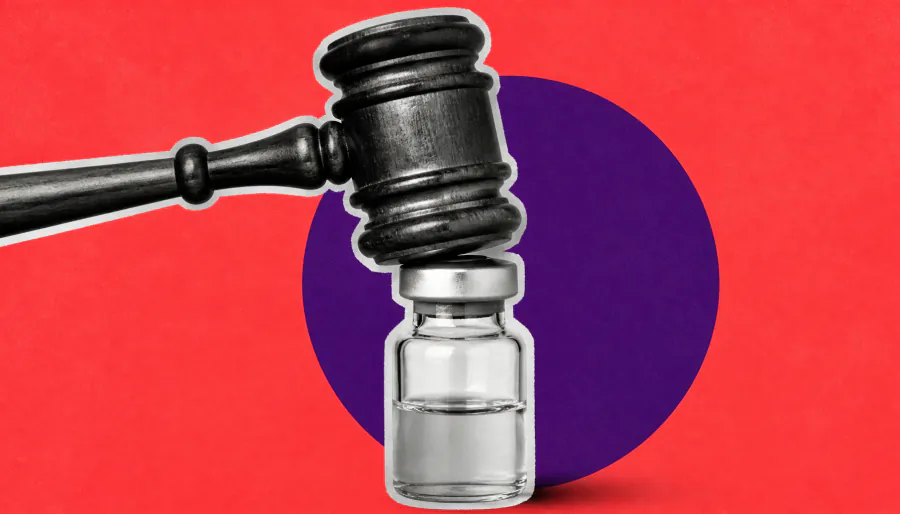
The Pan American Health Organization (PAHO) has officially stripped the United States of its measles elimination status after the virus circulated uninterrupted for more than 12 months. The U.S. is now in the midst of its worst measles surge in over three decades, with more than 5,400 confirmed cases in 2026 alone. Experts are calling it a major public health failure driven by declining vaccination rates and growing vaccine skepticism.
The United States has officially lost its measles elimination status — a milestone it had held for 26 years — after the Pan American Health Organization (PAHO) determined that measles has been circulating uninterrupted in the country for more than a year. The decision, announced following a three-day expert panel meeting in Washington, D.C., was widely anticipated given the scale of the ongoing outbreak.
Public health experts point to rising vaccine skepticism, misinformation, and funding cuts for outbreak response as key drivers of the surge. Measles vaccination rates must stay above 95% to maintain herd immunity, and while overall rates remain relatively high, pockets of unvaccinated communities have allowed the virus to take hold. Canada and the UK have also lost their elimination status over the past year.
By the Numbers:
Why it matters: Losing elimination status isn't just symbolic — it signals that measles is now endemic in the U.S., meaning ongoing transmission is the new normal until vaccination rates recover. Experts warn that infants infected this year could face serious neurological complications years down the line.