Turn on cookies to sign in
Signing in saves your progress to your Curie account. We can only do that with cookies on — turn them on to continue.
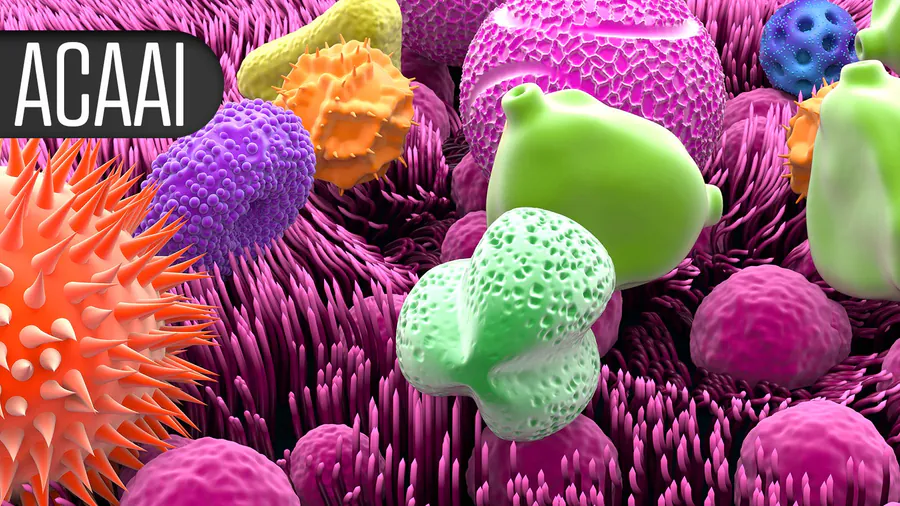
A teen's severe allergic reaction to an energy drink reveals a sneaky culprit — fish collagen. A 15-year-old developed hives, wheezing, and breathing difficulty within minutes, requiring two doses of epinephrine. Standard fish allergy tests may miss this protein, putting unsuspecting patients at risk as fish-derived collagen quietly shows up in more foods and supplements.
A 15-year-old boy with a history of eczema, asthma, and allergic rhinitis landed in the emergency department after drinking a new energy drink — and the culprit wasn't caffeine. The drink contained 5 grams of fish collagen derived from cod, which is believed to have triggered a full-blown anaphylactic reaction. He was treated with two doses of intramuscular epinephrine, albuterol, cetirizine, and IV fluids before his symptoms resolved. The case was presented at the ACAAI 2026 Annual Scientific Meeting.
What makes this case especially tricky: the teen tested negative for tuna, cod, and flounder on standard skin prick tests. That's because routine fish allergy testing targets parvalbumin — a different fish protein — and may not detect fish collagen sensitization. Fish collagen is also not water-soluble, making it harder to capture in standardized test extracts.
Key Takeaways:
Why it matters: As fish-derived collagen becomes a trendy ingredient across consumer products, clinicians need to dig deeper into ingredient lists and consider fish collagen allergy even when standard tests come back negative.