Turn on cookies to sign in
Signing in saves your progress to your Curie account. We can only do that with cookies on — turn them on to continue.
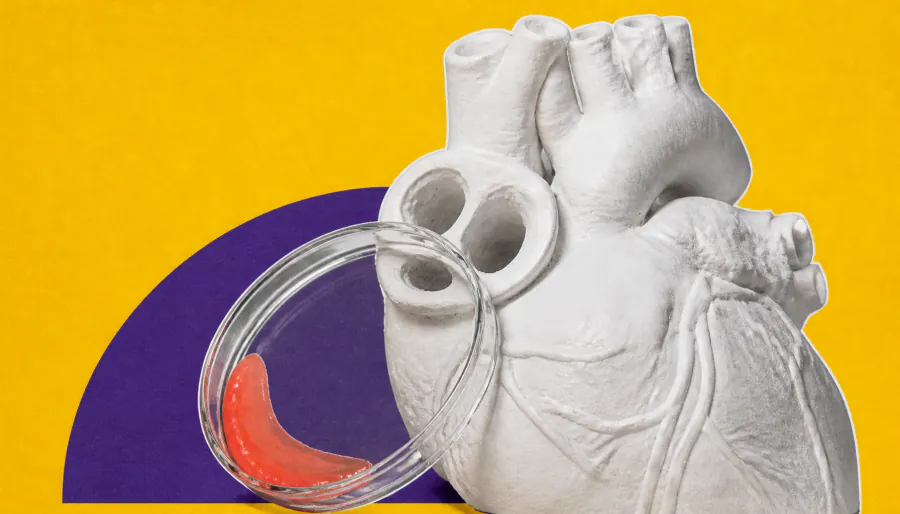
The heart ages unevenly, and researchers just found the hotspots. A new study from The Jackson Laboratory found that aging-related inflammation and scarring concentrate around the heart valves and aortic root — not the heart muscle as previously assumed. The findings challenge long-held views on cardiac aging and could reshape how scientists approach cardiovascular disease research.
The heart ages unevenly, and researchers just found the hotspots. Scientists at The Jackson Laboratory (JAX) mapped thousands of individual cells across young and old mouse hearts and found that aging-related inflammation and tissue scarring were heavily concentrated around the aortic valves and aortic root — not the cardiac muscle that has long been the focus of heart aging research. The study, published in Aging Cell, suggests these valve regions may act as key centers of cardiac aging, where shifts in immune cells (macrophages) and connective tissue cells (fibroblasts) could influence the health of nearby heart muscle.
The team also made a surprising discovery: some molecular markers typically used to identify aging cells were already present in young mouse hearts, raising questions about how reliably those markers signal true cellular aging. Additionally, male and female hearts showed distinct molecular aging patterns — males trended toward fibrosis-related changes, while females showed shifts tied to heart development and protein production pathways.
Key Takeaways:
Why it matters: Valve replacement is one of the most common cardiac procedures in older adults, yet the role of aging itself in driving that damage has been unclear. These findings give researchers a more precise map of where — and how — the heart deteriorates with age, potentially opening new avenues for protecting cardiovascular health over a lifetime.