Turn on cookies to sign in
Signing in saves your progress to your Curie account. We can only do that with cookies on — turn them on to continue.
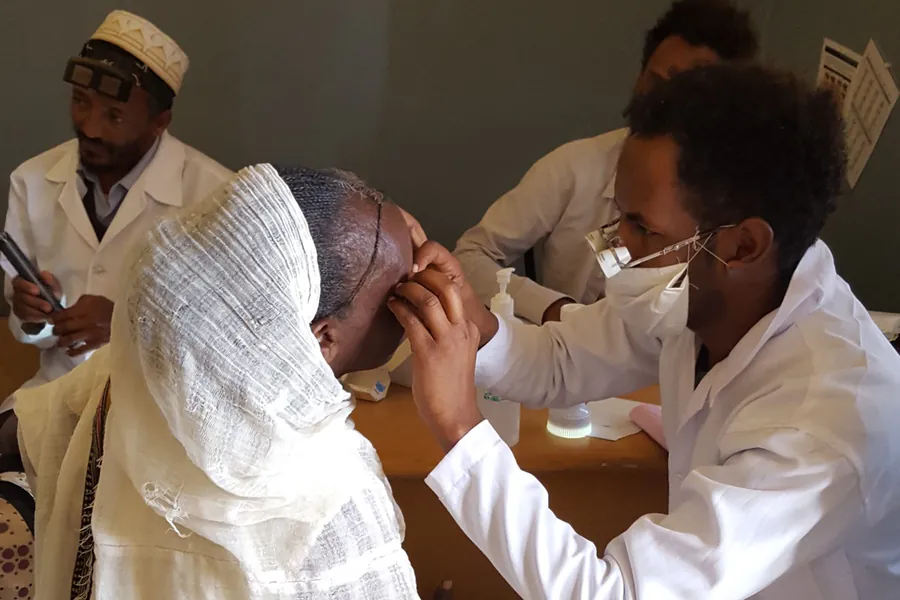
After two decades of effort, Eritrea has officially eliminated trachoma as a public health problem — becoming the 34th country globally to hit this milestone. WHO validated the achievement following confirmation that epidemiological thresholds were met. The win was powered by community-led sanitation, digital health tools, and donated antibiotics, proving that even resource-limited settings can beat neglected tropical diseases.
After 20 years of sustained effort, Eritrea has officially eliminated trachoma as a public health problem, earning WHO validation and becoming the 11th country in Africa and the 34th globally to reach this milestone. Trachoma — caused by the bacterium Chlamydia trachomatis — is the world's leading infectious cause of blindness, and Eritrea's success is especially notable given that much of its population lives in remote rural areas with limited access to healthcare, clean water, and sanitation.
Eritrea's success was built on WHO's SAFE strategy: Surgery for trichiasis, Antibiotics (primarily oral azithromycin donated by Pfizer via the International Trachoma Initiative), Facial cleanliness, and Environmental improvements. Health workers used digital tools for data mapping to reach even hard-to-access communities, and a community-led sanitation approach delivered major gains with limited external funding.
By the Numbers:
Why it matters: Eritrea's achievement shows that neglected tropical diseases can be beaten even in resource-constrained settings, offering a replicable blueprint for the remaining 29 countries still fighting trachoma.