Turn on cookies to sign in
Signing in saves your progress to your Curie account. We can only do that with cookies on — turn them on to continue.
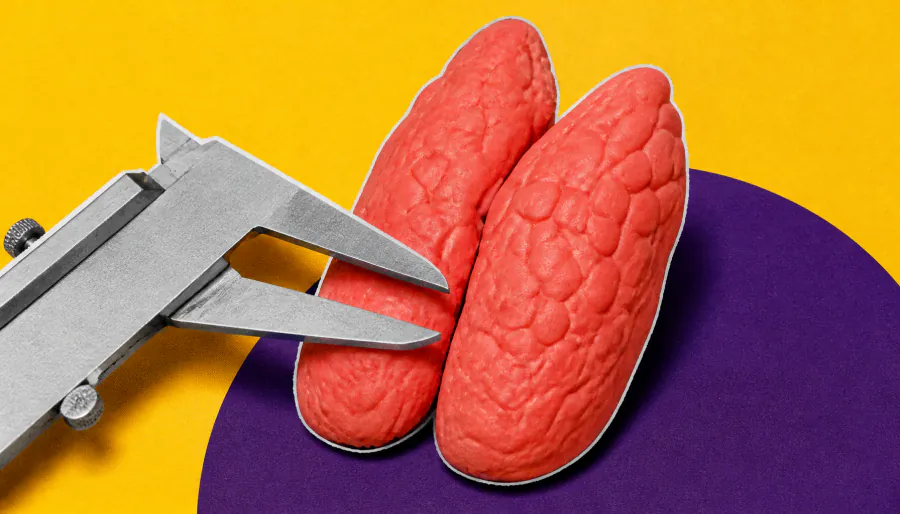
The thymus gland's "teacher" immune cells have long been nearly impossible to study consistently — until now. Researchers at Cold Spring Harbor Laboratory developed a standardized method to extract and classify thymic epithelial cells (TECs), establishing a seven-marker panel any lab can adopt. Better reproducibility could unlock new insights into diseases ranging from type 1 diabetes to cancer.
The thymus gland is the body's immune training ground, but its key "teacher" cells — thymic epithelial cells (TECs) — make up less than 1% of all cells in the gland and have been notoriously difficult to study. Without a universal method for isolating them, labs have long relied on their own inconsistent recipes, making it nearly impossible to reproduce or compare results across studies.
Now, researchers at Cold Spring Harbor Laboratory have developed a standardized protocol for extracting, identifying, and classifying TECs. Published in the Journal of Immunology, the study tested 15 human thymus samples, evaluated different enzyme combinations, and identified a panel of seven markers that any lab can reliably use — a major step toward reproducible immunology research.
Key Takeaways:
Why it matters: The thymus shapes the body's entire immune defense system, and dysfunction there underlies a wide range of serious diseases. A standardized method for studying TECs could accelerate research into immune-related conditions and open new doors for therapeutic development.