Turn on cookies to sign in
Signing in saves your progress to your Curie account. We can only do that with cookies on — turn them on to continue.
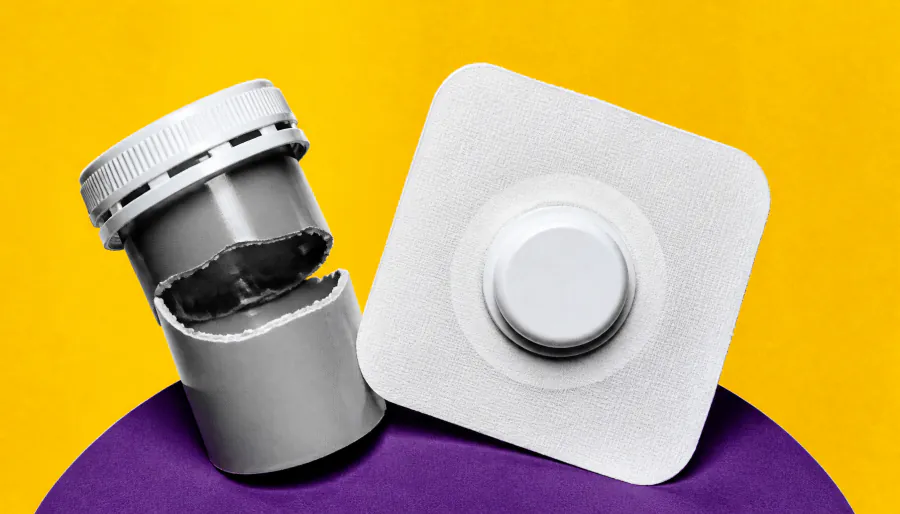
A new skin-worn patch called NEUSLeeP uses ultrasound waves to nudge the brain into REM sleep faster and keep it there longer — all without medication or surgery. In a 28-person trial, users hit REM sleep 43 minutes sooner and stayed in it 16 minutes longer. Researchers say the tech could eventually help people with insomnia, PTSD, and depression.
A team at the University of Texas at Austin has developed a soft, skin-worn patch called NEUSLeeP that uses gentle ultrasound waves to stimulate deep brain regions involved in sleep — helping people reach REM sleep faster and stay in it longer. Unlike sleep medications, which affect the body broadly and can carry side effects, this device targets specific neural circuits while simultaneously monitoring brain activity in real time.
In a study of 28 participants published in Nature Communications, the patch helped users enter REM sleep an average of 43 minutes sooner and spend about 16 additional minutes in that stage. Participants reported the device was comfortable, with minimal side effects. Researchers also observed improvements in heart rate variability and changes in brain circuits tied to emotional processing — hinting at broader benefits for stress resilience.
By the Numbers:
Why it matters: REM sleep disturbances are closely linked to depression, anxiety, and PTSD — conditions that affect millions. A noninvasive, drug-free tool that can reliably enhance REM sleep could open a new frontier in treating mental health disorders, and the team is already planning larger clinical trials and exploring commercialization.