Turn on cookies to sign in
Signing in saves your progress to your Curie account. We can only do that with cookies on — turn them on to continue.
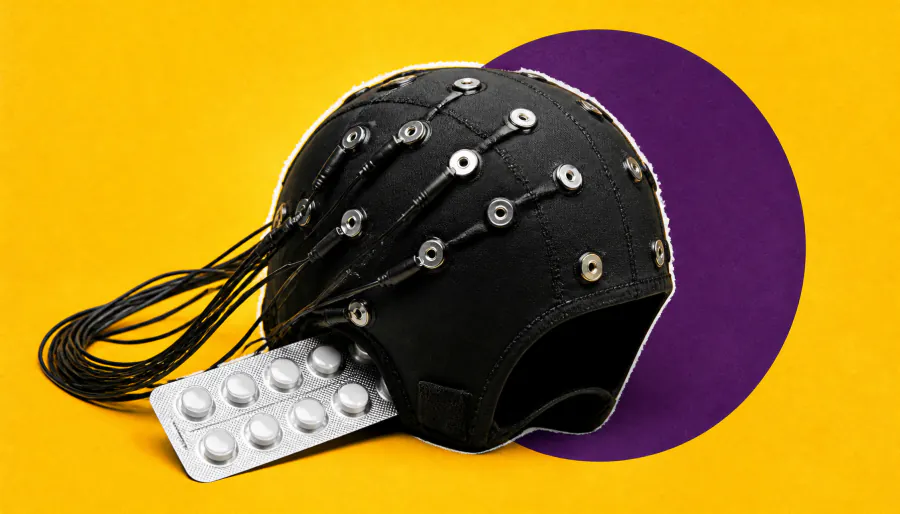
A decade of proof-of-concept trials shows that remyelination in MS patients is biologically achievable, but translating that into real clinical benefits remains elusive. Cambridge neurologist Nick Cunniffe highlights key lessons: visual evoked potential latency is the most sensitive short-term measure, earlier-stage patients are better trial candidates, and longer follow-up is needed to capture disability outcomes. Novel drugs and better biomarkers are on the horizon.
After a decade of proof-of-concept clinical trials, researchers are cautiously optimistic about myelin repair in multiple sclerosis. Cambridge neurologist Nick Cunniffe, speaking at MSToronto2026, says the field has confirmed that remyelination is biologically achievable in humans — but meaningful clinical benefits haven't yet been demonstrated. The gap between biological signals and real-world disability outcomes remains the central challenge.
Three big lessons have emerged from these trials. First, full-field visual evoked potential (VEP) latency is the most sensitive and reproducible short-term measure of remyelination. Second, patient selection matters enormously — people earlier in their MS journey have more intact axons available for repair, making treatment effects easier to detect. Third, trial duration is critical: neuroprotective benefits unfold over years, not months, meaning longer follow-up (3–5 years) is essential.
Looking ahead, Cunniffe is excited about purpose-built remyelinating drugs (moving beyond repurposed medications), improved myelin-sensitive MRI for lesion stratification, and blood biomarkers that could detect CNS repair non-invasively.
Key Takeaways
Why it matters: Disability progression remains the biggest unmet need in MS. Remyelinating therapies, combined with optimized disease-modifying treatments and neuroprotective agents, could form a powerful multi-pronged strategy — making the next 5–10 years pivotal for the field.