Turn on cookies to sign in
Signing in saves your progress to your Curie account. We can only do that with cookies on — turn them on to continue.
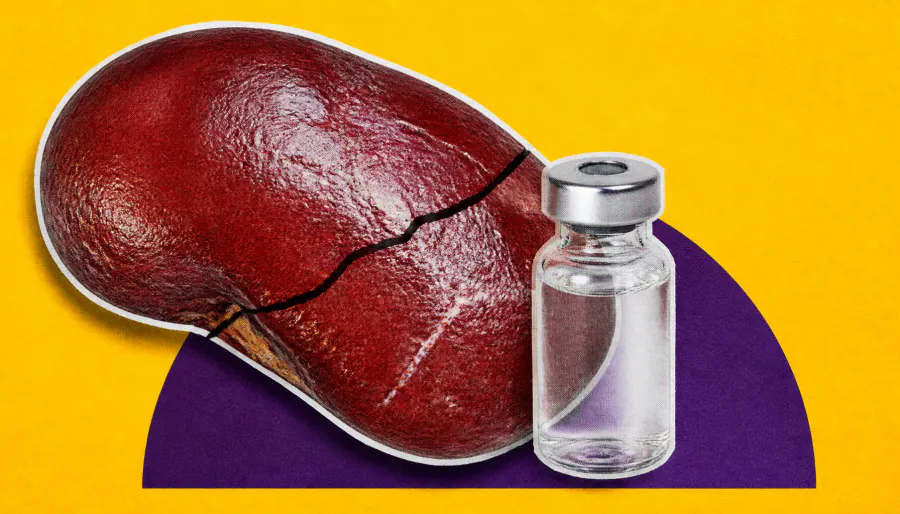
Vaccines do more than fight off infections — they may also protect your immune system long after recovery. A new mouse study found that acute viral infections cause lasting structural damage to the spleen and impair T-cell function even after the virus is gone. Strikingly, vaccinated mice showed none of these effects, suggesting vaccines offer a hidden layer of immune protection.
Most of us think of a cold or stomach bug as a temporary nuisance — feel bad, recover, move on. But a new study from Pompeu Fabra University in Barcelona challenges that assumption, revealing that viral infections may leave behind lasting damage to the immune system long after symptoms disappear.
Published in Cell Death & Disease, the mouse study found that even after successfully clearing an acute viral infection, animals developed fibrosis (scar-like tissue buildup) in the spleen and disrupted immune cell organization. These structural changes impaired T-cell activation, leaving the mice in a weakened immune state and less capable of responding to new threats — even though the original virus was gone.
The most striking finding? Mice vaccinated before infection showed none of these effects. Their spleens remained structurally intact, and their T cells functioned normally — comparable to mice that had never been infected at all.
Key Takeaways:
Why it matters: These findings suggest vaccines may carry a broader protective benefit than previously appreciated — not just preventing disease, but preserving long-term immune health. If confirmed in humans, this could reshape how clinicians and public health officials communicate the value of vaccination to the public.