Turn on cookies to sign in
Signing in saves your progress to your Curie account. We can only do that with cookies on — turn them on to continue.
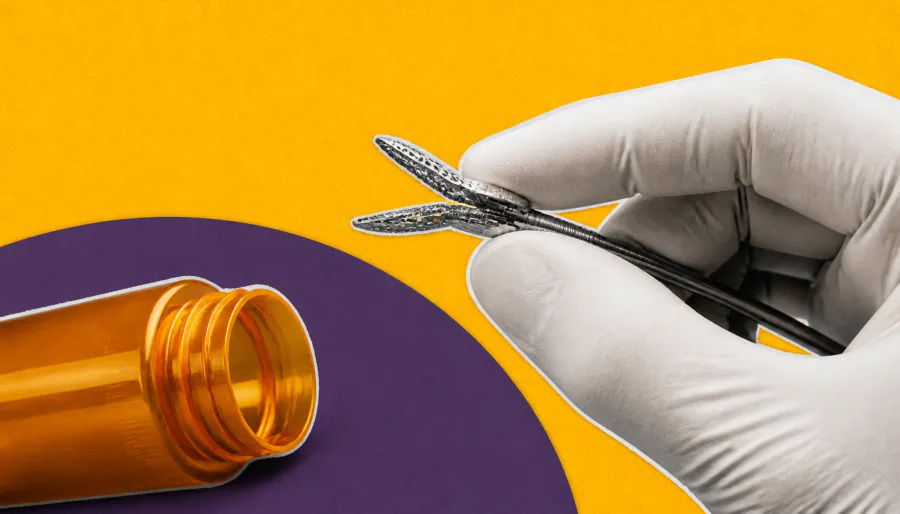
A transcatheter tricuspid valve repair device outperformed medical therapy in a major trial. The CLASP II TR trial found patients treated with the Pascal Precision system were nearly twice as likely to benefit compared to those on medication alone, driven largely by improved quality of life scores. The FDA recently approved the device for high-surgical-risk patients with severe tricuspid regurgitation.
The CLASP II TR trial delivered a meaningful win for the Pascal Precision transcatheter edge-to-edge repair (TEER) system in patients with symptomatic severe tricuspid regurgitation (TR). Presented at TCT 2026, the trial randomized 450 patients 2:1 to the device plus optimal medical therapy or medical therapy alone. Patients in the device group were roughly twice as likely to experience a clinical benefit, with a win ratio of 1.98 — driven primarily by improvements in patient-reported health status (KCCQ scores) rather than hard endpoints like mortality or heart failure hospitalization.
The trial's scope was narrowed from its original 24-month design to a 6-month primary endpoint after control group attrition spiked following FDA approval of competing tricuspid devices in 2024. Despite this limitation, results were robust enough to support FDA approval of the Pascal Precision system for high-surgical-risk patients — making it the fourth tricuspid repair trial to show superiority over medical therapy alone.
By the Numbers:
Why it matters: Severe TR is a debilitating condition with limited treatment options, and this trial adds to a growing body of evidence that transcatheter repair can meaningfully improve how patients feel and function — even if survival benefits remain unproven. With FDA approval now in hand, the Pascal Precision system expands the toolkit for heart teams managing this challenging population.