Turn on cookies to sign in
Signing in saves your progress to your Curie account. We can only do that with cookies on — turn them on to continue.
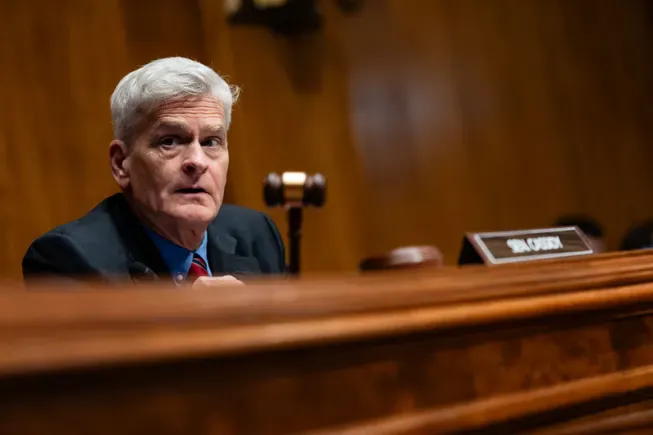
Senator Bill Cassidy is preparing legislation to overhaul the No Surprises Act, which has ballooned into a $22 billion problem in just four years. His aide promises a "common sense, bipartisan approach" targeting the law's out-of-control arbitration process. A lame-duck passage is unlikely, but 2027 is looking promising for a real fix.
Senator Bill Cassidy (R-La.) is putting the finishing touches on legislation to reform the No Surprises Act (NSA), the 2020 law designed to shield patients from unexpected medical bills. While the law has largely succeeded on that front, its dispute resolution process has gone significantly off course — generating over $22 billion in additional spending in just four years and spawning a cottage industry of middlemen helping providers win outsized arbitration awards.
The core problem: instead of pushing out-of-network providers to join insurer networks, the NSA is actually rewarding them for staying out. Providers win the vast majority of arbitration cases, often at rates well above in-network levels, while arbiters — paid per dispute — have little incentive to keep the system in check. The U.S. is on track to see 4 million NSA disputes in 2026, up from 2.5 million in 2025 — a far cry from the 17,000 annually that regulators originally anticipated.
Cassidy's bill aims to strengthen oversight, improve transparency, and restore fairness to the process, though passage before year-end is unlikely.
By the Numbers:
Why it matters: With costs set to keep climbing and premiums potentially rising for consumers, NSA reform has real stakes for patients, providers, and insurers alike. Bipartisan momentum is building, and 2027 could finally be the year Washington acts.