Turn on cookies to sign in
Signing in saves your progress to your Curie account. We can only do that with cookies on — turn them on to continue.
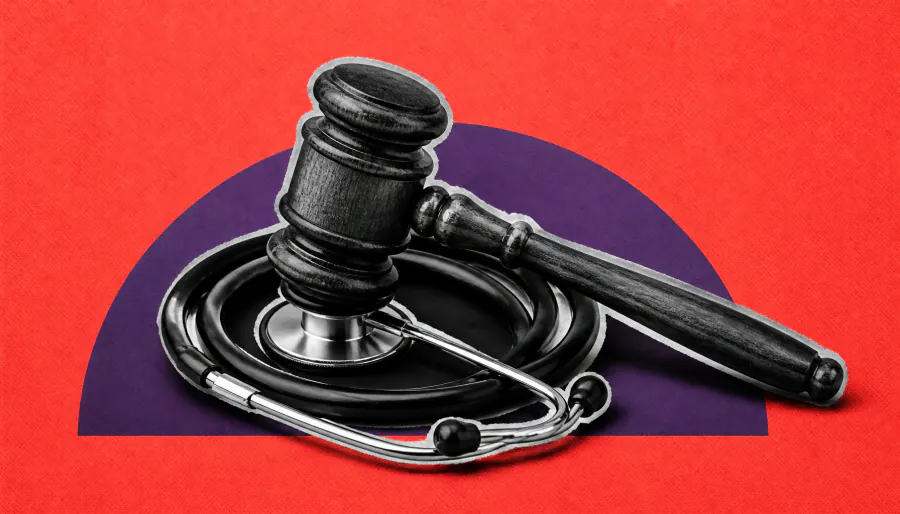
When AI makes a clinical mistake, figuring out who's responsible is murky — and experts say it'll likely be settled in court. At the AIMed26 conference, clinicians, researchers, and health system leaders debated how liability should be shared among developers, hospitals, and bedside clinicians. The consensus? Everyone could get sued, but accountability needs to be a shared, structured responsibility before that happens.
When AI makes a mistake in a clinical setting, who pays the price? That was the central question at a panel discussion during the AIMed26 conference in Orlando. Experts agreed that liability currently falls hardest on the clinician who acted on the AI's output and the hospital that deployed the tool — even though clinicians often had no say in purchasing or vetting the system. MIT's Dr. Leo Anthony Celi argued that responsibility should be proportionally shared with developers, who are rarely held accountable today.
The panel also pushed back on holding AI to a standard of perfection. Experts emphasized that the real question isn't whether AI ever fails, but where it can improve and how errors are caught, reported, and corrected. Dr. Nina Kottler noted that legal accountability will ultimately be shaped by case law — and that in practice, most parties involved could face litigation.
Key Takeaways:
Why it matters: As AI becomes embedded in clinical workflows, the absence of clear liability frameworks creates real risk — especially for the patients least well-served by the healthcare system before AI arrived. Getting accountability structures right now could prevent harm and build the trust needed for AI to meaningfully improve care.