Turn on cookies to sign in
Signing in saves your progress to your Curie account. We can only do that with cookies on — turn them on to continue.
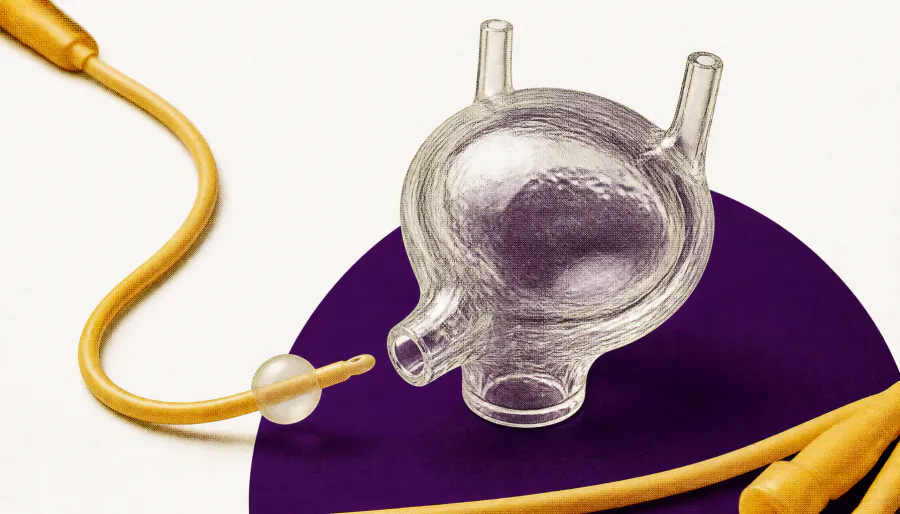
A bladder-sparing gene therapy is gaining momentum. Updated data from the LEGEND trial show that detalimogene voraplasmid achieved a 56% complete response rate in patients with BCG-unresponsive, high-risk non-muscle invasive bladder cancer — up from 54% in an earlier analysis. With a BLA submission planned by end of 2026, the therapy could soon offer a new option for patients who can't or won't undergo surgery.
A bladder-sparing gene therapy is gaining momentum. Updated data from the pivotal cohort 1 of the phase 1/2 LEGEND trial show that detalimogene voraplasmid (EG-70) — a non-viral gene therapy instilled directly into the bladder — is producing stronger and more durable responses over time in patients with BCG-unresponsive, high-risk non-muscle invasive bladder cancer (NMIBC) with carcinoma in situ (CIS).
The therapy works by triggering a localized antitumor immune response in the bladder, and its straightforward administration makes it particularly appealing for community urology settings. Following a pre-BLA meeting with the FDA, developer enGene Therapeutics plans to initiate its BLA submission by end of 2026 and complete it in the first half of 2027.
By the Numbers:
Why it matters: For patients who have exhausted BCG therapy and want to avoid bladder removal, effective and well-tolerated alternatives are urgently needed. Detalimogene's improving response rates and manageable safety profile position it as a potentially practice-changing option in this difficult-to-treat population.