Turn on cookies to sign in
Signing in saves your progress to your Curie account. We can only do that with cookies on — turn them on to continue.
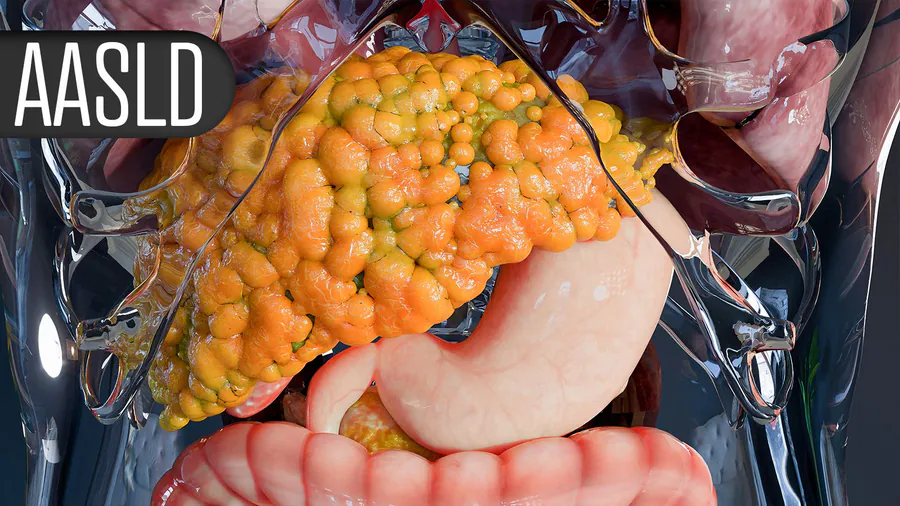
GLP-1 receptor agonists appear to significantly improve survival in liver transplant patients, according to a new retrospective study. Across more than 2,400 patients, those on GLP-1 drugs were 45% less likely to die over nearly four years of follow-up — and the benefit held even in patients without type 2 diabetes. Researchers aren't yet sure exactly why, but reduced deaths from cancer, infections, and cardiovascular events may be driving the effect.
GLP-1 receptor agonists — already celebrated for their metabolic and cardiovascular benefits — may have a new claim to fame: improving survival after liver transplant. A retrospective three-center cohort study of 2,402 liver transplant patients found that those on GLP-1 drugs were 45% less likely to die over a median follow-up of 3.9 years. A separate replication cohort of 1,443 patients drawn from U.S. claims data confirmed the finding, with mortality risk reductions of 45–55%.
Interestingly, the survival benefit extended to patients without type 2 diabetes — and was actually greater in that group. Researchers noted that GLP-1 use was tied to lower deaths from cardiovascular events, malignancies, infections, and graft failure, though the exact mechanism remains unclear.
By the Numbers:
Why it matters: With MASLD on track to become the leading cause of liver transplants in the U.S., post-transplant metabolic management is increasingly critical. These findings suggest GLP-1 drugs could play a meaningful role in improving long-term outcomes for transplant recipients — though larger, prospective studies are needed to confirm the effect and uncover the underlying mechanisms.