Turn on cookies to sign in
Signing in saves your progress to your Curie account. We can only do that with cookies on — turn them on to continue.
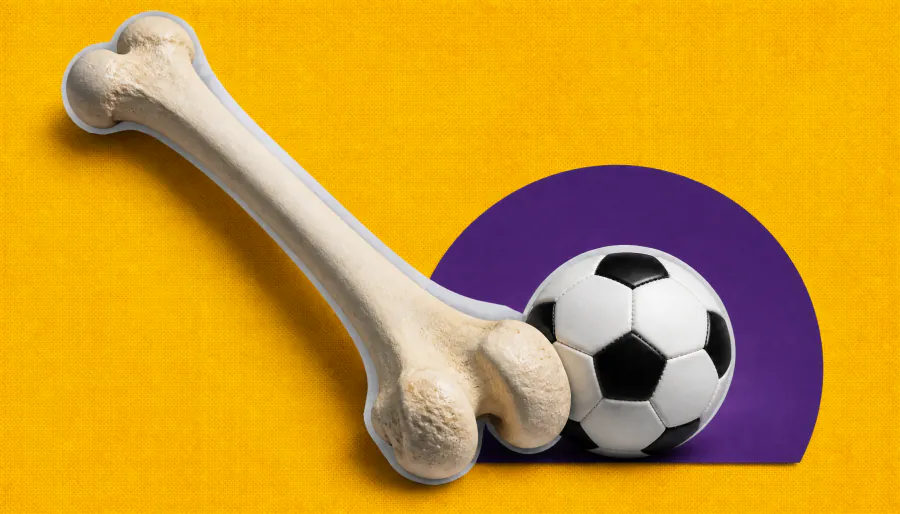
Your weekend jog might not be doing your bones as many favors as you think. A new study from Semmelweis University found that explosive, high-intensity sports like football and handball boosted bone formation markers by up to 46% — far outpacing walking, jogging, and even traditional weight training. The findings could reshape how we approach exercise for bone health and osteoporosis prevention.
Your weekend jog might not be doing your bones as many favors as you think. Researchers at Semmelweis University reviewed 24 clinical studies involving 1,238 healthy adults and found that explosive, high-intensity sports — think sudden bursts of speed, sharp direction changes, and powerful movements — stimulate bone formation far more effectively than conventional exercise. The findings, published in Sports Medicine - Open, used blood markers of bone metabolism rather than bone density scans, allowing researchers to detect changes within weeks.
Walking, step aerobics, and standard gym resistance training showed little to no meaningful long-term effect on these bone-building markers — a surprising result given that weight training is widely recommended for skeletal health. Meanwhile, recreational football and handball led the pack, suggesting that the quality of mechanical load on the skeleton matters just as much as simply staying active.
By the Numbers
Why it matters: As populations age and osteoporosis rates climb, these findings could help clinicians craft more targeted exercise prescriptions. That said, researchers caution that individuals with cardiovascular, musculoskeletal, or metabolic conditions — or existing osteoporosis — should consult a physician before ramping up exercise intensity.