Turn on cookies to sign in
Signing in saves your progress to your Curie account. We can only do that with cookies on — turn them on to continue.
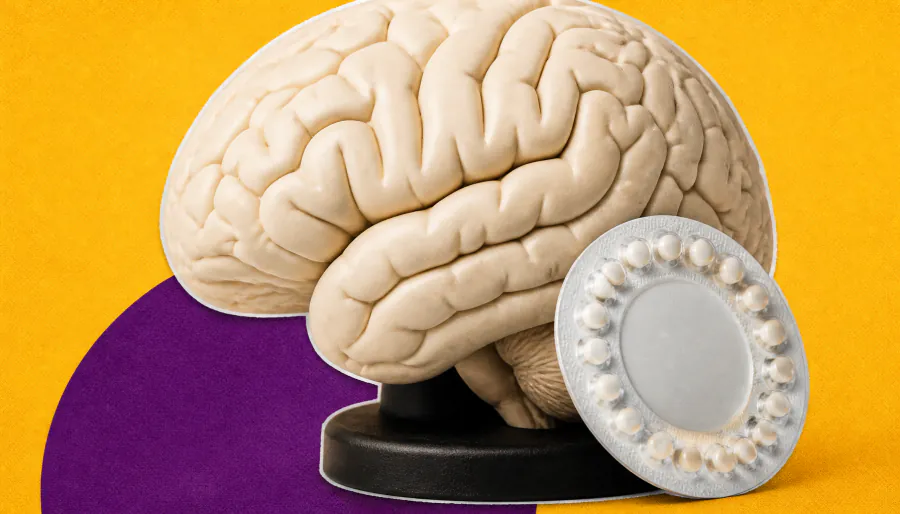
Hormonal therapies show brain-protective benefits in older women. A new study in Neurology found that women who used oral contraceptives or menopausal hormone therapy (MHT) had better white matter integrity and less small vessel disease in the brain. Among APOE4 carriers, MHT was also linked to better preservation of gray matter in Alzheimer's-vulnerable brain regions.
Hormonal therapies show brain-protective benefits in older women
A new study published in Neurology suggests that exposure to exogenous estrogen — through oral contraceptives (OC) or menopausal hormone therapy (MHT) — is associated with better brain structure and white matter health in older women. Researchers from Yale School of Medicine analyzed MRI and biomarker data from 352 cognitively unimpaired 70-year-old women in Sweden, following them over five years.
Women who used MHT had significantly lower odds of cerebral small vessel disease (SVD), including fewer microbleeds and perivascular spaces. Both OC and MHT users showed higher white matter integrity, and women who used both therapies had the best outcomes overall. Among APOE4 carriers — a key genetic risk factor for Alzheimer's — MHT was also linked to better gray matter preservation in vulnerable brain regions.
By the Numbers
Why it matters: These findings add nuance to the long-debated question of whether hormonal therapies help or harm the brain. While the results are observational and don't confirm causation, they suggest that a woman's hormonal history may meaningfully shape her brain aging trajectory — and that personalized, not one-size-fits-all, clinical conversations are key.