Turn on cookies to sign in
Signing in saves your progress to your Curie account. We can only do that with cookies on — turn them on to continue.
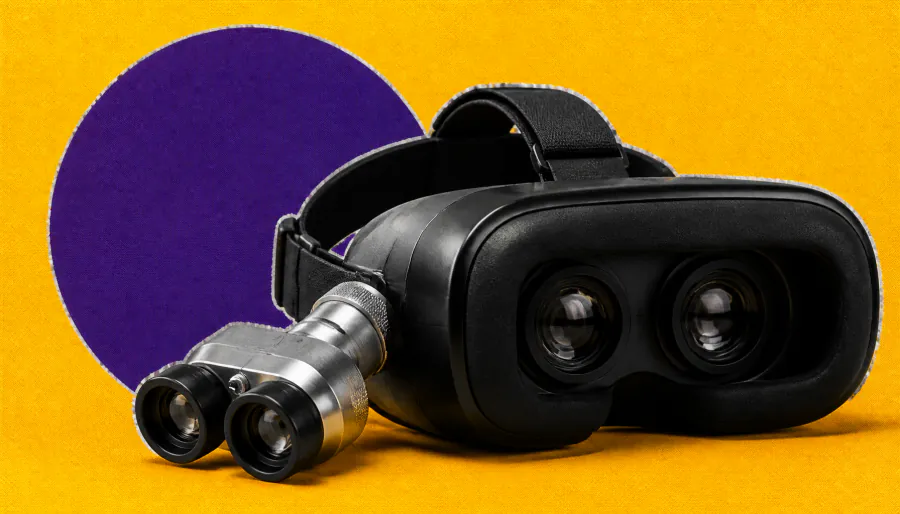
Texas A&M grads are building a goggle-based headset that mimics a slit lamp, letting remote ophthalmologists evaluate eye images from anywhere in the world. The device targets emergency departments and rural clinics that lack eye specialists. It's still a proof-of-concept, but a patent has been filed and the team is pushing toward clinical use.
Texas A&M University graduates are developing a VR-style headset that functions like a slit lamp — the gold-standard tool for eye exams — without requiring a specialist on-site. The goggle-based device uses miniature lenses and cameras to capture detailed eye images, which can then be transmitted to an ophthalmologist or optometrist anywhere in the world for remote triage and evaluation.
The primary target? Emergency departments and urgent care centers in rural areas, where patients currently travel hours just to reach a facility with an eye specialist. Instead of a costly transfer, a local ED could fit a patient with the headset, capture images, and have a remote eye doctor determine whether in-person follow-up is truly urgent. The team also sees potential in medical education, disease progression tracking via EMR-stored images, and objective lesion measurement.
Key Takeaways:
Why it matters: Ocular emergencies are time-sensitive, and access to eye specialists is severely limited in rural and underserved areas. A portable, remote-capable slit lamp alternative could dramatically reduce delays in care and help clinicians triage patients more efficiently — without requiring patients to travel hours for a specialist visit.