Turn on cookies to sign in
Signing in saves your progress to your Curie account. We can only do that with cookies on — turn them on to continue.
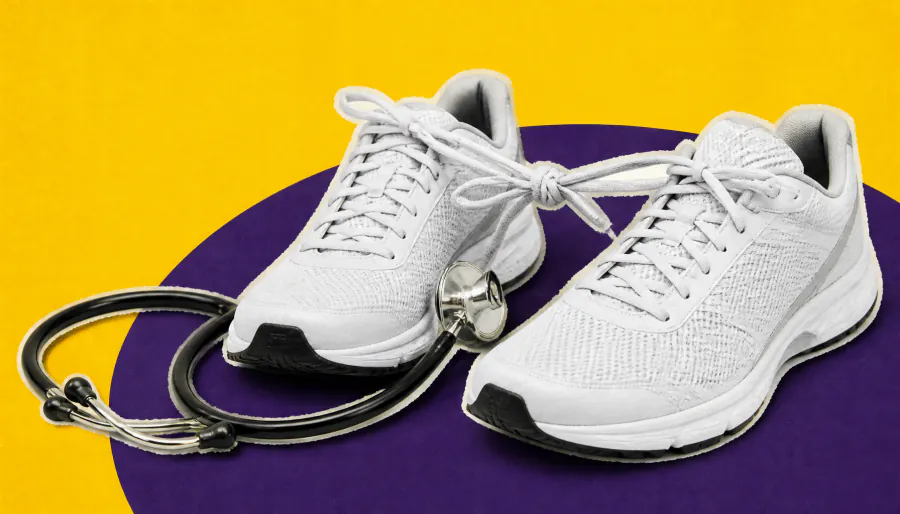
Decades of Women's Health Initiative data show that lifestyle choices — especially physical activity and social connection — can dramatically extend healthy aging. A University of Washington researcher says providers can cut through the noise by assessing patients on six evidence-based lifestyle pillars and using a coaching approach to drive real behavior change.
There's no shortage of wellness advice flooding social media, but a University of Washington researcher wants clinicians to cut through the clutter with hard science. Kerry W. Reding, PhD, presenting at the American College of Lifestyle Medicine (ACLM) annual conference, drew on over 30 years of Women's Health Initiative (WHI) data to show how lifestyle factors — the six pillars of lifestyle medicine — meaningfully shape longevity and healthy aging, particularly for women.
Physical activity stood out as the most powerful lever, with research showing regular exercise can cut the risk of early mortality in half. Crucially, the relationship is dose-dependent — even modest movement (3,000–5,000 steps/day) confers real benefit. Social connectedness emerged as another underappreciated factor, with low social integration linked to a 91% elevated mortality risk in one meta-analysis — earning the label "the new smoking."
Key Takeaways:
Why it matters: With patients overwhelmed by conflicting wellness information, clinicians have a real opportunity to anchor conversations in evidence-based strategies — and a coaching approach can help translate that science into lasting behavior change.